
Last updated November 2, 2026
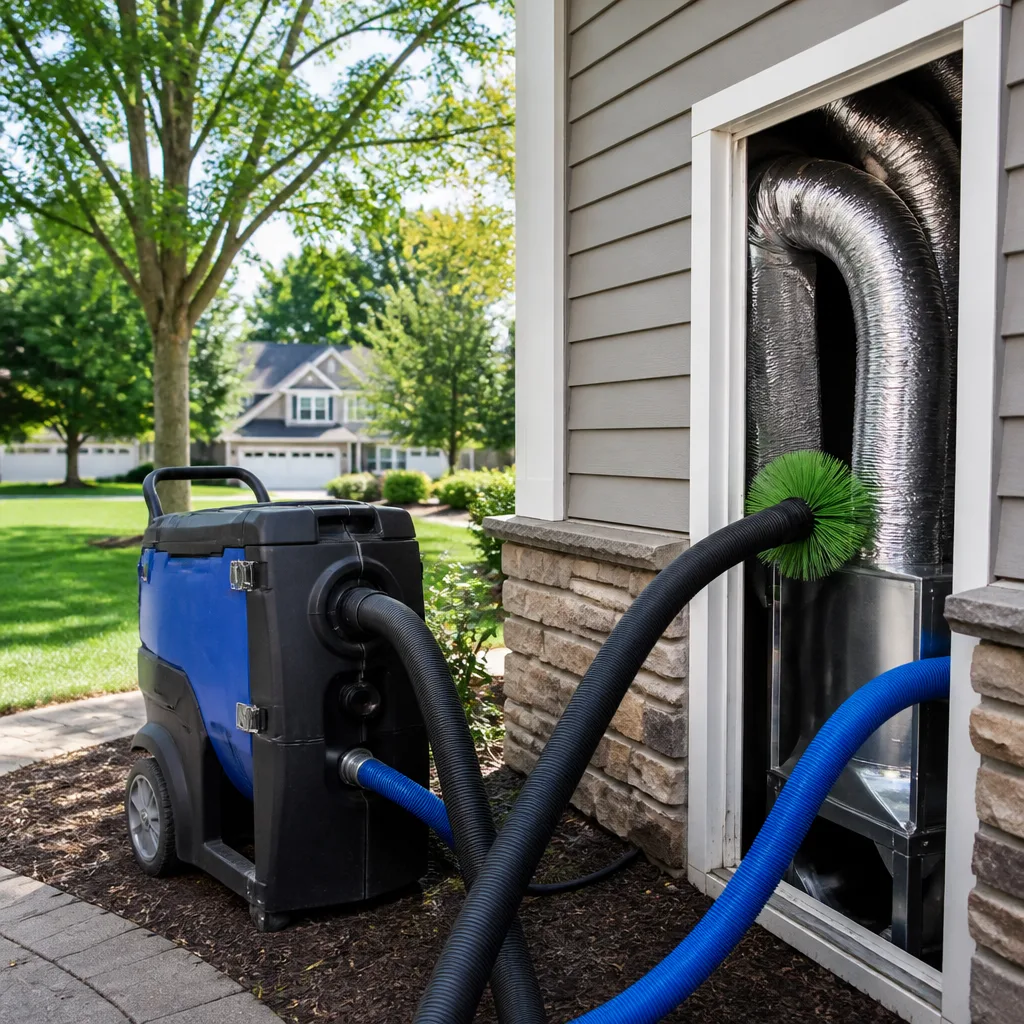 Whole-home duct cleaning
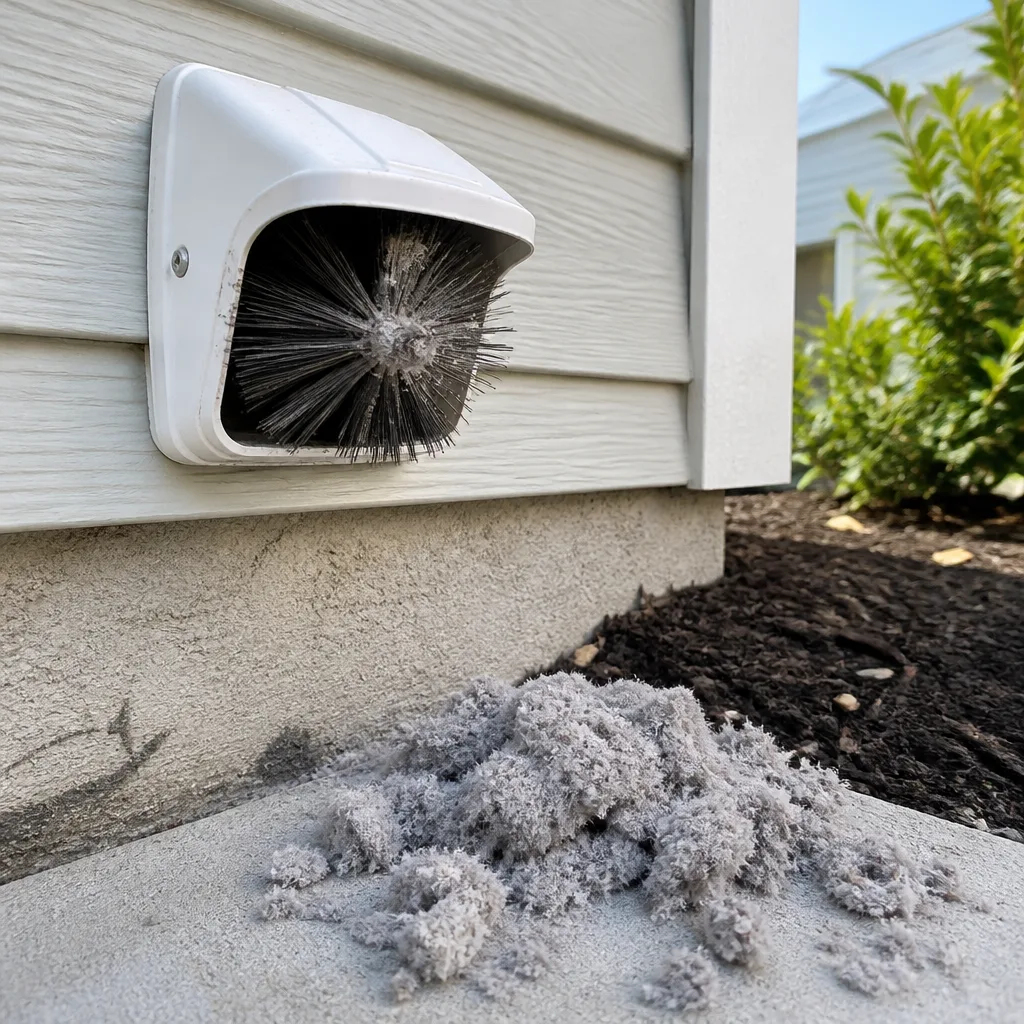 Dryer vent cleaning
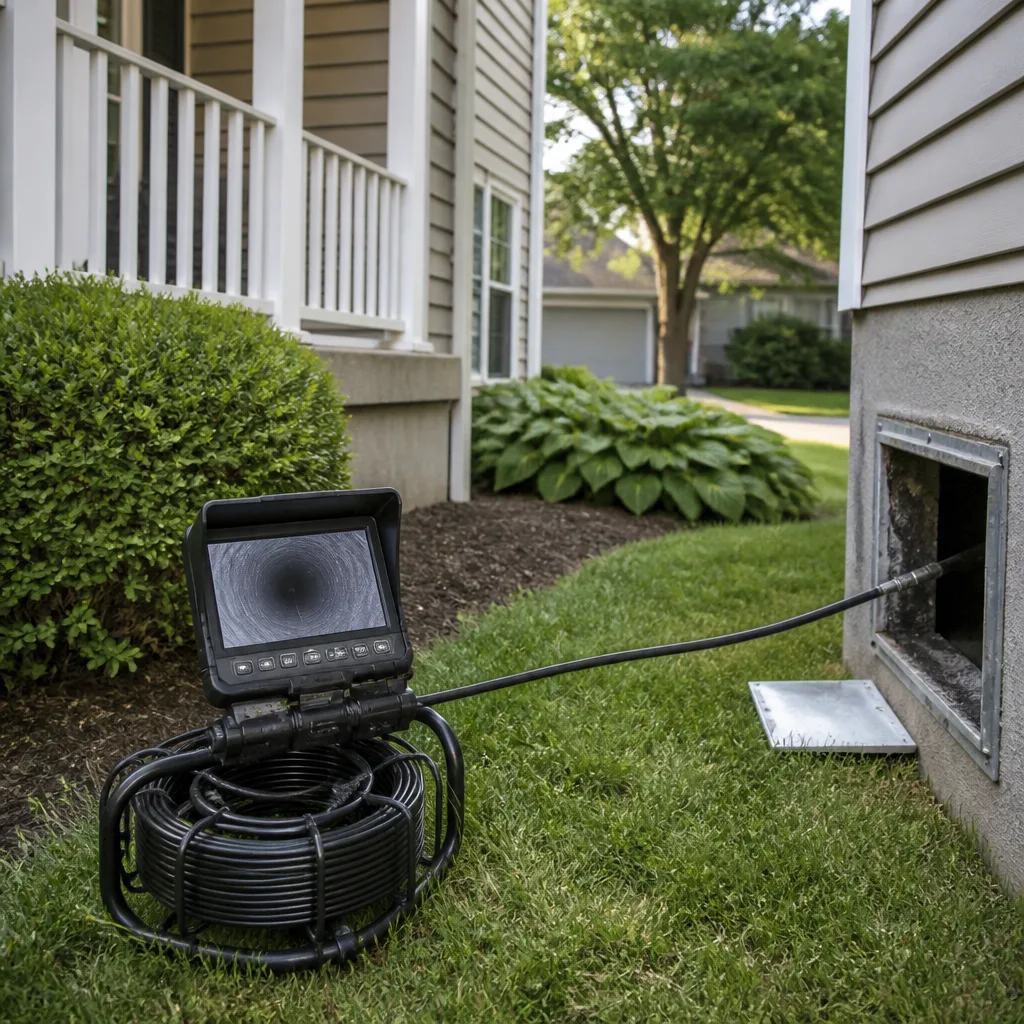 Camera inspection
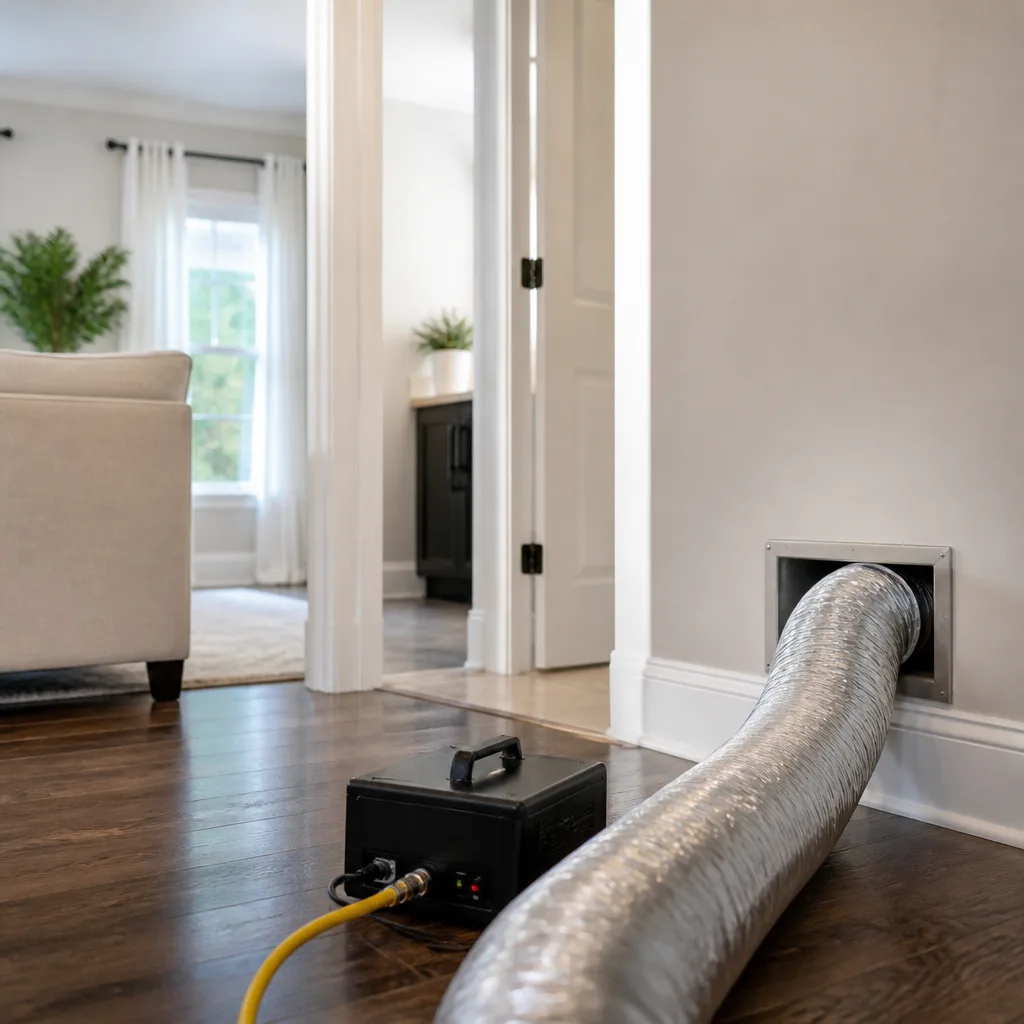 Sanitizing & deodorizing
Whole-system duct and dryer vent check with before-and-after photos - you see exactly what came out of your vents
That "$99 whole-house special" is a bait ad - the real number appears once they are in your hallway, or the "clean" is a shop-vac at the register. We photograph the inside of your ducts before and after instead.
Air Duct Cleaning Maintenance Checklist for Camarillo Homeowners
Here’s a counterintuitive fact we’ve learned from years of opening duct systems across Camarillo: the homeowners with the cleanest ducts are rarely the ones who clean them most often. They’re the ones who inspect them most often. A duct system doesn’t degrade on a fixed calendar. It degrades when a filter gets bypassed, when a return boot pulls loose in an attic, when six months of coastal dampness settles into the lining. Your filter change reminder tells you nothing about what’s actually collecting inside the ductwork. This guide gives you a practical, interval-based maintenance rhythm built around your home’s real usage patterns, Camarillo’s specific climate triggers, and the inspection points that actually matter. By the end, you’ll know exactly what to check monthly, what needs attention twice a year, and when a professional inspection with video scope equipment is genuinely warranted.
Quick Answer
A practical air duct maintenance checklist for Camarillo homeowners has three tiers: monthly visual checks of supply registers and return grilles for dust buildup and moisture staining, semi-annual filter housing inspections plus a startup odor test on your HVAC system, and a professional contact cleaning every 3 to 5 years, sooner if you’ve had a wildfire smoke event, renovation, or extended HVAC inactivity. The single most overlooked check is filter bypass: gaps or bends around the filter frame that let unfiltered air flow straight into your duct lining, where debris accumulates and hardens over time.
Styles & brands we work with
- Whole-home duct cleaning
- Dryer vent cleaning
- Camera inspection
- Sanitizing & deodorizing
Table of Contents
- Why Changing Your Filter Isn’t Enough to Protect Your Ducts
- The Monthly Duct Inspection Checklist
- The Semi-Annual Duct Maintenance Checklist
- The 3 to 5 Year Deep Maintenance Tasks
- Camarillo-Specific Triggers That Accelerate Duct Contamination
- What You Can Inspect Yourself vs. What Requires a Video Scope
- How to Keep a Duct Maintenance Log
- Common Mistakes to Avoid
- When to Call a Professional
- Frequently Asked Questions
Why Changing Your Filter Isn’t Enough to Protect Your Ducts
Let’s be direct about what a filter does and doesn’t do. A filter protects your HVAC equipment. That’s its job. It keeps debris from reaching the blower motor, the evaporator coil, and the heat exchanger. What a filter does not do is protect your ducts from everything that bypasses it.
Filter bypass happens more often than most Camarillo homeowners realize. The filter sits in a slot or cabinet near the air handler. If that slot is even an eighth of an inch wider than the filter itself, a portion of your return air flows around the filter entirely. That air carries whatever is in your home: dust from Mission Oaks living rooms, pet dander from homes near the Camarillo Grove trails, fine particles that settle out of the air in Leisure Village condos. All of it moves into the return plenum and then into the return-side ductwork.
Over months and years, this bypass air deposits a fine layer of debris on the duct lining. Duct linings are typically fiberglass or sheet metal with some surface texture. Debris catches on that texture. It builds. Eventually it becomes a substrate that holds moisture, and in Camarillo’s coastal humidity, moisture in ducts creates conditions where biological growth can establish itself.
So the filter is necessary, but it is not sufficient. You need to inspect the filter housing itself, not just swap the filter. We’ll cover exactly how below.
The Monthly Duct Inspection Checklist
Monthly duct checks take about ten minutes and require no tools. Set a recurring calendar reminder and walk the house. Here’s the sequence.
- Check every supply register. Remove the register cover if it lifts off easily and look at the inside surfaces of the boot, which is the metal or plastic transition piece between the duct run and the register. You’re looking for two things: dust accumulation on the walls of the boot and any dark staining that indicates moisture. Dust at the boot is normal to a degree, but a thick, felted layer means debris is moving through your system faster than it’s being removed.
- Check every return grille. Returns pull air in. If the grille itself is caked with dust and pet hair, that’s the first sign that whatever gets past it is going directly into the return duct. Vacuum the grille face. If you see dust buildup on the inside surface of the return boot, note it.
- Look at the filter housing. With the system off, slide the filter out. Look at the slot it slides into. You’re checking the margins: is there a visible gap on any side? Does the filter sit flat, or does it bow or buckle? A bowed filter creates a gap at one edge. A filter that slides loosely in the slot creates a gap at every edge. These gaps are where bypass air enters your duct system unfiltered.
- Do a quick visual scan under each register for moisture staining. Water marks on the ceiling or wall around a supply register almost always mean condensation is forming inside the boot or the duct run itself. In Camarillo’s summer months, the temperature difference between conditioned air inside the duct and warm, humid air in an unconditioned attic can produce condensation, especially in older homes in the Mission Oaks and Las Posas areas where attic insulation may be thin.
- Note any new musty odor when the system first starts. This is sometimes called “startup odor.” It happens because the blower kicks on and pushes air through the ducts, disturbing whatever has settled inside. If you smell something earthy or damp for the first 30 seconds of system operation, take it seriously. It usually means moisture has been present inside the ductwork at some point.
None of these steps require professional equipment. They’re simple observations. What they do is create a baseline. When something changes, you’ll notice it earlier, and earlier detection is what keeps a small duct problem from becoming a full air duct cleaning in Camarillo plus a repair job.
The Semi-Annual Duct Maintenance Checklist
Twice a year, ideally in spring and fall when Camarillo temperatures are mild and your HVAC system has just finished a heavy-use season, spend 30 minutes on a deeper set of checks.
- Inspect the filter housing thoroughly. Pull the filter completely out and shine a flashlight into the housing. Look for debris buildup in the corners and along the tracks. Also check the filter door or access panel: does it seal tightly when closed? A filter access panel that doesn’t seal is an unfiltered air intake directly into the system. In our experience, loose access panels are one of the most common sources of duct contamination in Camarillo homes, especially where the air handler is in a dusty garage or an unconditioned attic.
- Check the return air path for obstructions. Walk to every return grille and confirm it’s not blocked by furniture, boxes, or other household items. A blocked return starves the system for air, which increases negative pressure in the return ductwork. That negative pressure can actually pull dust and insulation into small gaps in the duct joints.
- Look at visible duct runs. In many Camarillo homes, portions of the duct system run through the garage or attic where they’re accessible. Shine a flashlight along the visible runs. Look for sagging sections, disconnected joints, gaps where duct tape has failed and peeled back, and any dark staining on the exterior of the duct wrap. Staining on the outside of a duct usually means air is leaking from the inside, carrying dust and conditioning with it.
- Conduct a startup odor test. Turn the system on and stand near a supply register. The air should smell neutral. Any persistent mustiness, burning dust smell, or dampness that lasts beyond a minute or two is a sign that something inside the ductwork needs attention. A burning dust smell is actually common at the start of heating season: dust settles on the heat exchanger over the summer and burns off when you first run the heat. But if that smell persists for more than a few cycles, you likely have accumulation inside the ducts themselves.
- Clean all register covers and grilles. Remove them, wash them with warm water, and dry them completely before reinstalling. While they’re off, take a flashlight and look into the boot as far as you can see. This is a quick way to gauge whether visible debris is accumulating at the register connection points.
If you’ve followed both the monthly and semi-annual checklists for a year and logged what you’ve found, you’ll have a real data set about how your specific Camarillo home accumulates duct debris. That data tells you whether you’re on a 3-year cleaning interval, a 5-year interval, or whether something more aggressive is going on inside the system.
The 3 to 5 Year Deep Maintenance Tasks
Every three to five years, depending on what your inspections have shown, your duct system needs our Air Duct Cleaning services. This is not a maintenance task you can DIY, and it’s not the same as what a general HVAC technician does during a routine tune-up.
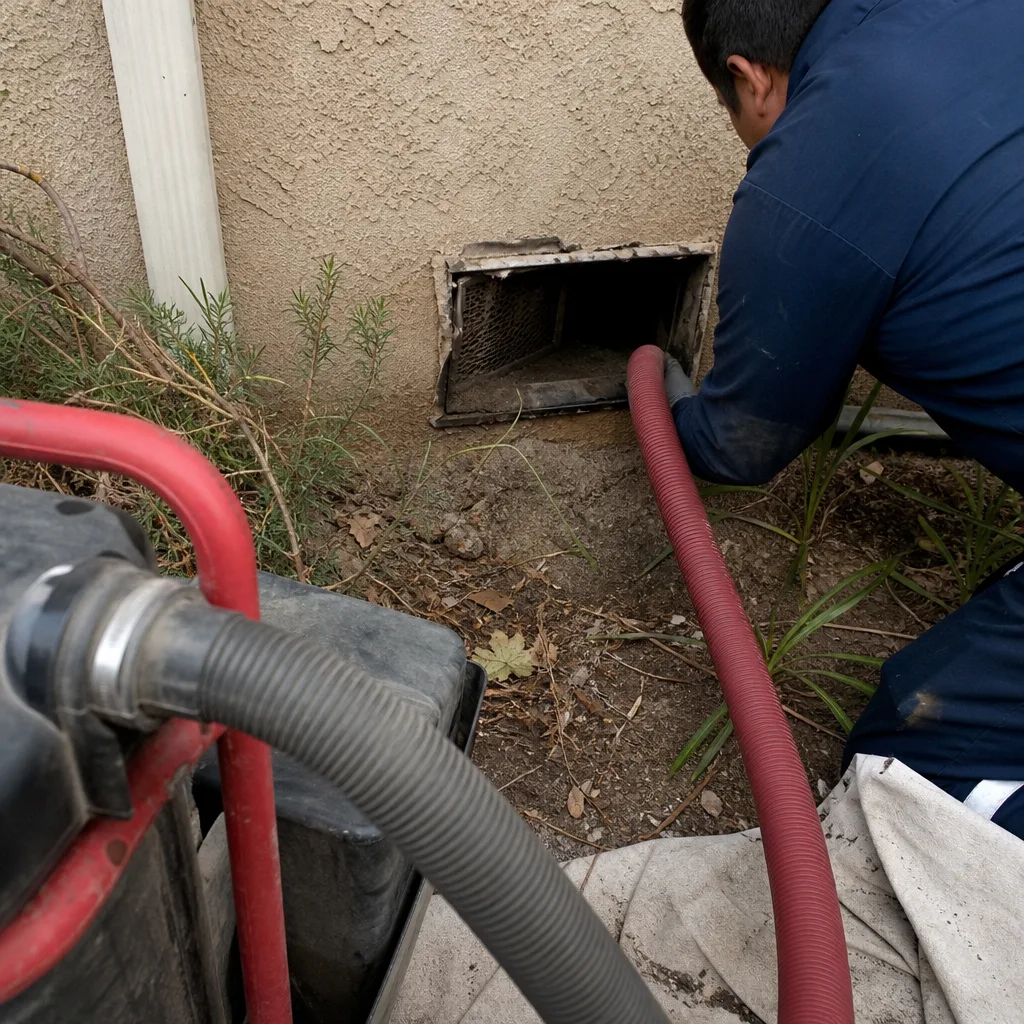
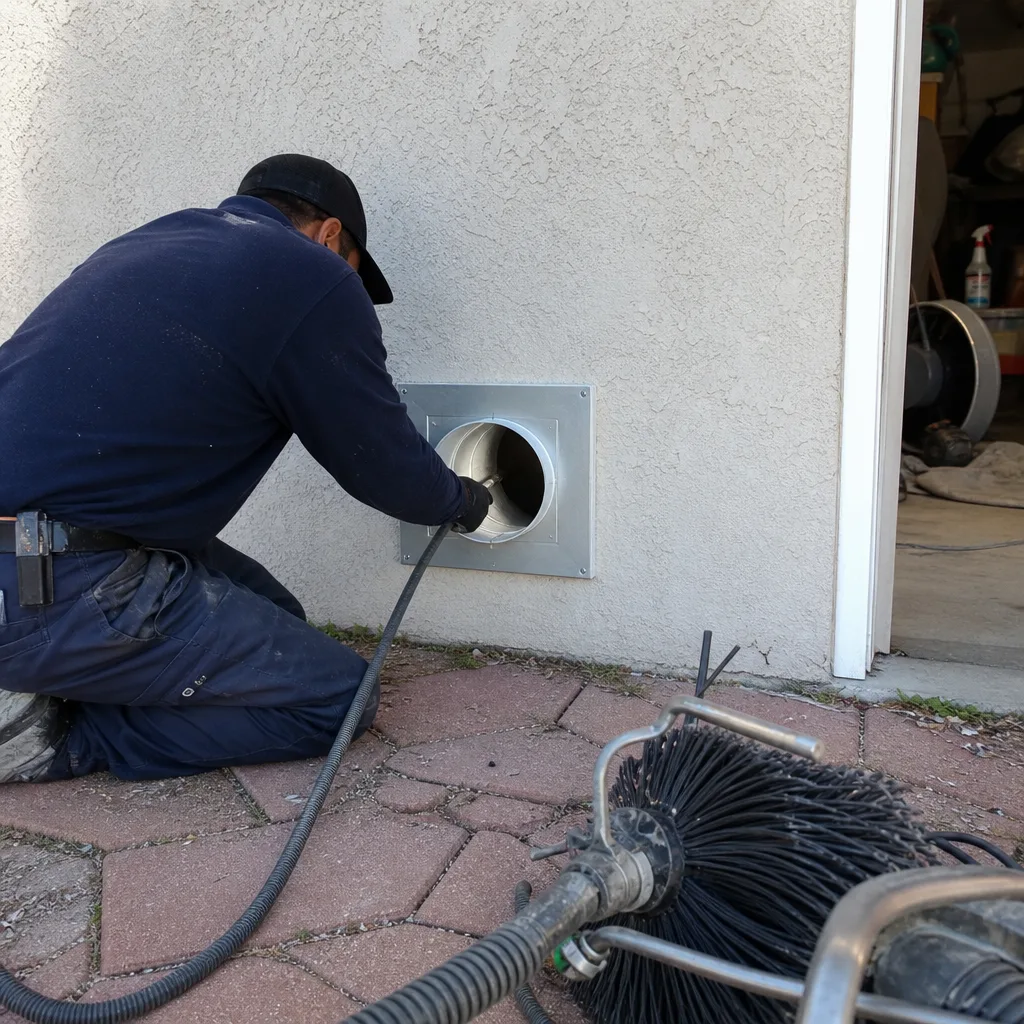
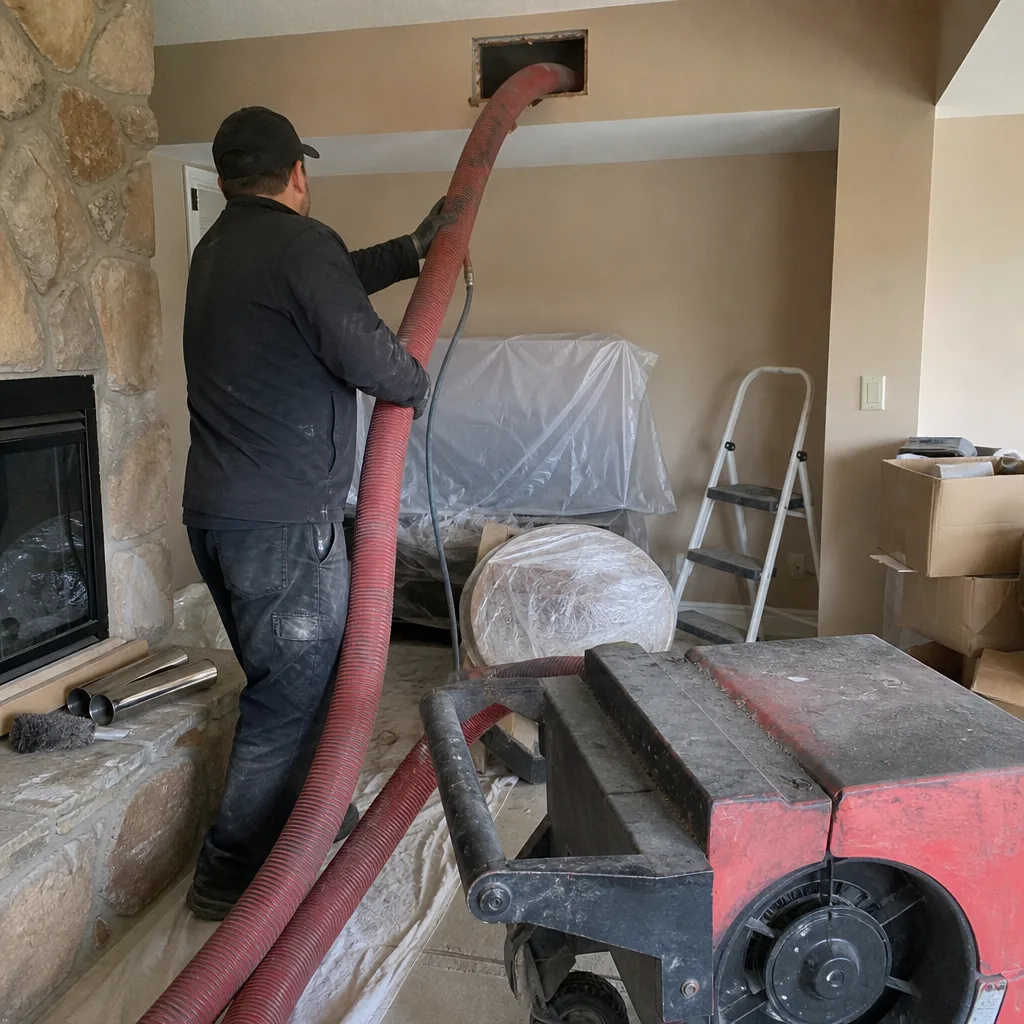
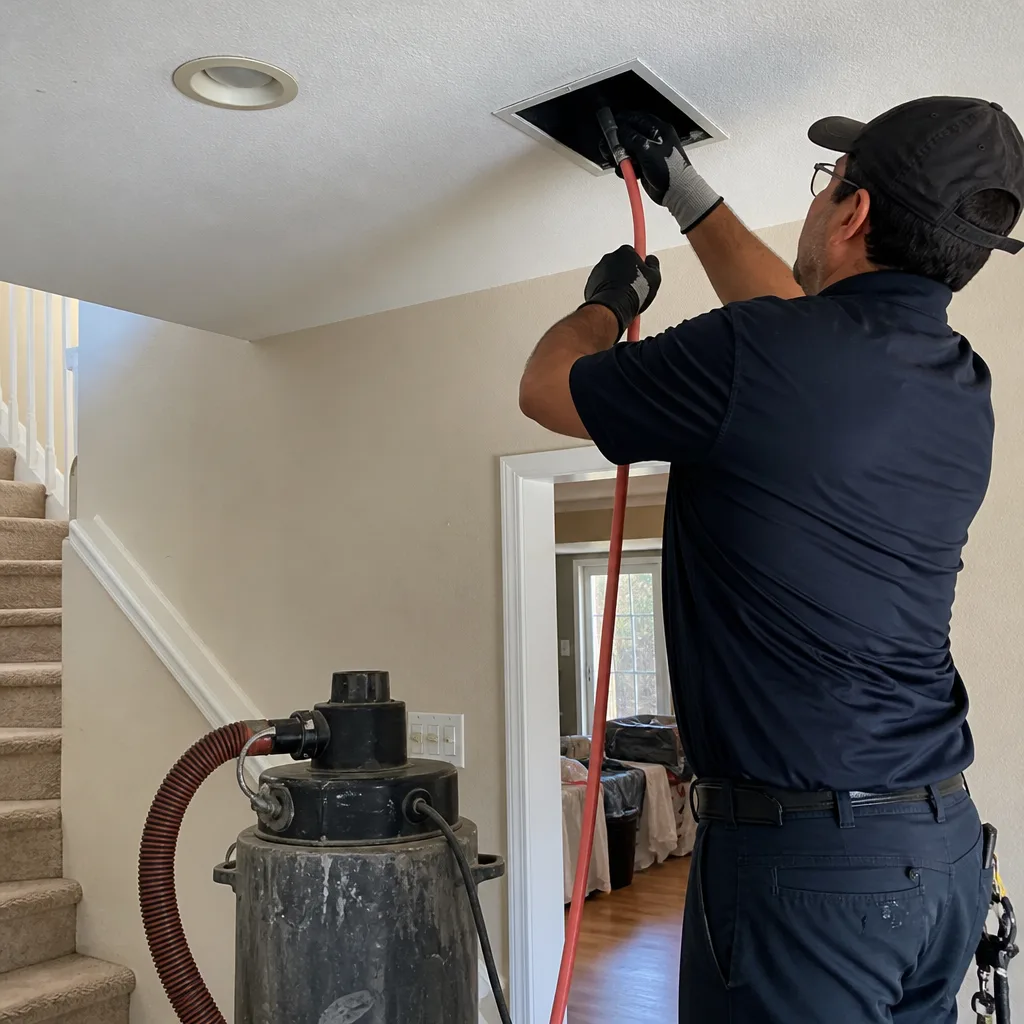
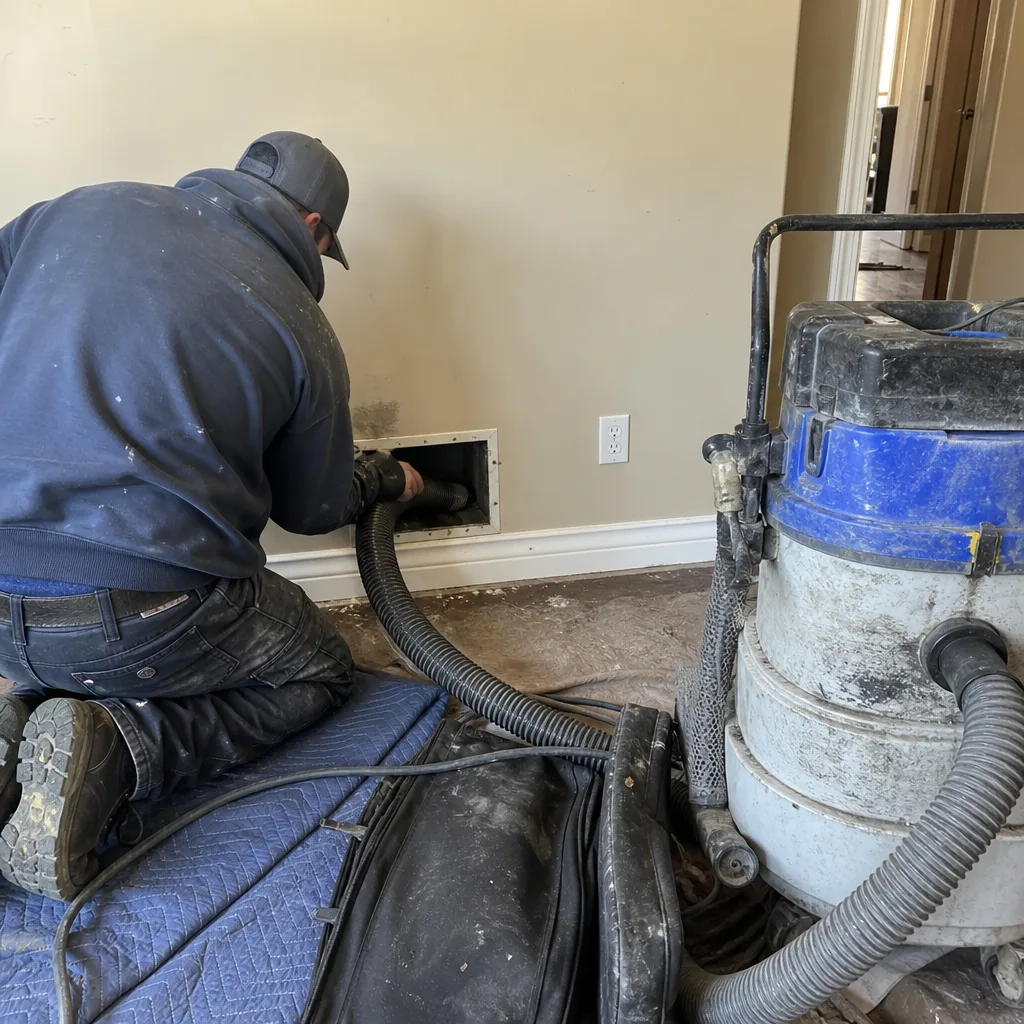
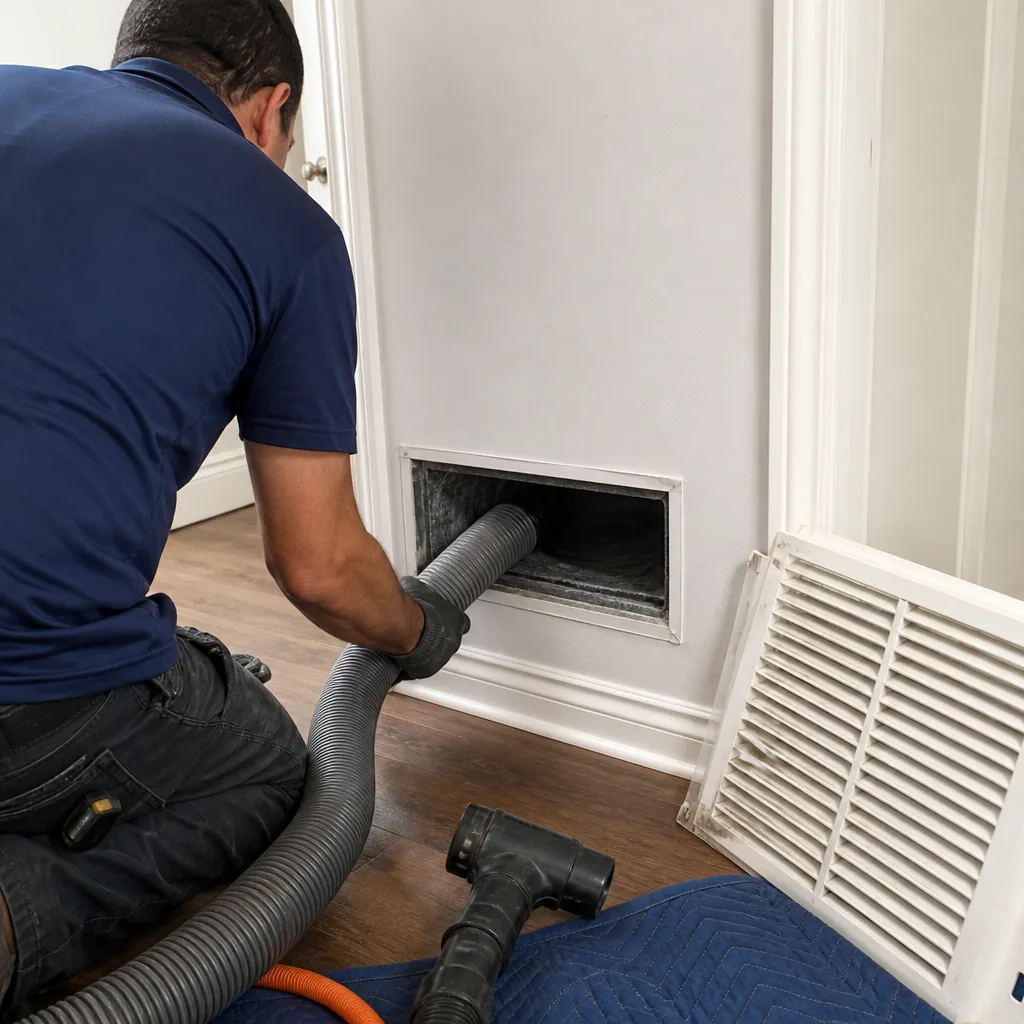
Professional contact cleaning means physically agitating the debris off the interior duct walls while simultaneously vacuuming it out. At Duct Cleaning Camarillo home we run Rotobrush contact cleaning systems through the entire duct network, then capture the dislodged particulate with Nikro HEPA-rated vacuum equipment. The difference between this and cheaper air-agitation methods is significant: contact cleaning removes the debris layer that has adhered to the duct walls, not just the loose dust sitting in the airflow stream. Air-agitation methods leave that adhered layer behind, and it becomes the seed point for future accumulation.
What happens during a 3 to 5 year deep maintenance visit:
- Full interior inspection with a video scope. Before cleaning begins, the entire duct system should be scoped from the inside. This documents what’s actually present: the type and volume of debris, any moisture staining, any damaged sections, any disconnected joints. A legitimate contractor will show you the video feed and point out specific areas of concern.
- Contact cleaning of all supply and return duct runs. Brushing the duct walls dislodges the adhered layer. Simultaneous HEPA vacuum extraction captures it. This is the core of the service.
- Cleaning of the supply boots and return boots. These transition pieces at the register and grille openings collect more debris per square inch than anywhere else in the system, because they’re the transition points where airflow changes speed and direction.
- Inspection of the filter housing and air handler cabinet. The filter housing will be checked for gaps, tracked alignment, and access panel sealing. The blower cabinet may be vacuumed if accessible.
- Structural findings report. If the scope reveals a collapsed section, a separated joint, or a leak that’s pulling in attic air, you should be told about it. This is where having a company that also does air duct repair in Camarillo matters: the fix can be scheduled immediately, not referred out to another contractor who has to start from scratch.
This deep maintenance is also the right time to address adjacent systems. If you’ve been thinking about whole-home air quality improvements, a contractor who works with Honeywell and Aprilaire equipment can advise on filtration and humidity control upgrades that make sense for Camarillo’s climate. And if your dryer vent hasn’t been cleaned recently, that’s the other duct system in your home, one with a fire safety dimension we’ll cover later.
Camarillo-Specific Triggers That Accelerate Duct Contamination
Camarillo’s environment creates a few duct contamination triggers that homeowners in other regions don’t face. Knowing these triggers helps you understand when your maintenance schedule needs to compress.
Wildfire smoke events. Camarillo sits in a region where wildfire smoke is a seasonal reality. When smoke from fires in the Santa Monica Mountains or the Los Padres National Forest drifts into the Camarillo area, the fine particulate load in the outdoor air spikes dramatically. Your HVAC system pulls outdoor air in through fresh-air intakes and through the natural leakage around doors and windows. That smoke particulate gets pulled through your return grilles and into your ducts. After any significant smoke event, check your registers for a fine gray film. That film is smoke particulate that has settled inside the system. A professional cleaning following a multiple-day smoke exposure is often warranted, especially in homes along the northern edge of Camarillo where wind patterns carry more particulate from inland fire zones.
Post-renovation. Drywall dust is diabolical. It’s finer than household dust, it stays suspended longer, and it penetrates everywhere including your duct system. If you’ve done any remodeling work in a Camarillo home, from a kitchen update in Mission Oaks to a bathroom renovation in a Las Posas Estates property, assume that construction dust entered the ducts. Standard practice is to seal off supply and return registers during active demolition and finishing work, but even with sealing, the fine dust gets through. Schedule a duct cleaning after the renovation is fully complete and the general contractor has done their final cleanup.
Extended HVAC downtime. Camarillo’s mild seasons are one of the best things about living here, but they create a specific duct condition. When your system sits idle for weeks or months during spring and fall, the interior of the ductwork becomes a quiet, dark, still environment. Any moisture present will not be dried by moving air. Any biological growth that has established will continue undisturbed. Then when you finally run the system again, everything that’s been developing in there gets blown into your living space. If you routinely leave your HVAC off for more than a month twice a year, your duct system will likely accumulate more biological material than a system that runs daily. A startup odor check after extended downtime is the single most useful indicator of what’s happening inside.
Coastal humidity patterns. Camarillo sits close enough to the coast that morning fog and marine layer moisture are regular features. That humidity reaches the inside of your ducts, particularly the return side which pulls in household air. In unconditioned attics and crawlspaces, the temperature difference between humid outdoor air and cool duct surfaces creates condensation inside the system. Over time, that moisture supports biological growth on the dust layer inside the ducts. If your duct insulation is compressed, torn, or missing in sections, the condensation problem gets worse. This is why semi-annual visual checks of accessible duct runs matter so much in Camarillo: you can see the early signs of condensation-driven staining before it becomes a full biological contamination issue.
What You Can Inspect Yourself vs. What Requires a Video Scope
There’s a clean line between what a homeowner can legitimately evaluate and what requires professional equipment. Understanding that line helps you avoid both false alarms and missed problems.
What you can do yourself:
- Visually inspect register boots from the room side with a flashlight
- Check filter fit and housing alignment
- Look for moisture staining around registers and on accessible duct runs
- Perform startup odor tests each season
- Clean register covers and return grilles
- Map your home’s supply and return locations and keep notes on each one
- Monitor for changes in airflow at individual registers
What requires a professional with a video inspection scope:
- Confirming the internal condition of duct runs you cannot see or reach
- Evaluating the full length of every duct run, including sections inside walls and beneath floors
- Determining whether visible debris is a surface layer or a full-depth accumulation
- Identifying the specific source of a persistent odor
- Locating disconnected joints or collapsed sections inside inaccessible ductwork
- Assessing whether biological growth is present and the extent of it
- Documenting the before and after condition of a professional cleaning
A video scope run by a trained technician changes the entire conversation. Instead of guessing what’s inside your ducts, you see it. That visibility is the difference between a cleaning that’s justified and one that’s premature, and between a small repair that gets fixed now and a structural failure that gets discovered when a section of duct finally separates completely. We run a scope on every job we do in Camarillo, before and after, because there’s no honest way to quote a duct cleaning without knowing what’s inside the system.
How to Keep a Duct Maintenance Log
A duct maintenance log is a simple document that pays off in several ways. It gives you a factual record of what’s been done and what’s been found. It helps you establish a cleaning interval based on your home’s actual behavior rather than a generic recommendation. It’s useful disclosure material if you ever sell your Camarillo home. And it gives any future duct service provider a real history instead of a guess.
Here’s what to track:
- Filter changes. Date, filter size, MERV rating, and any observations about filter condition when removed. If a filter is heavily loaded after only a month, note that. If the filter looks nearly clean after three months, note that too.
- Monthly register checks. A simple yes/no for each register on dust accumulation and moisture staining, plus any notes. You don’t need to narrate everything. A spreadsheet row per month per register works fine.
- Semi-annual inspections. What you checked, what you found. Include the startup odor test result: neutral, burning dust, musty, damp, or other.
- Professional service visits. Date, contractor, what was done, what the scope found, and any repair work completed. If you were shown video footage, note the key findings.
- Environmental events. Wildfire smoke exposure, renovations, water intrusion events, roof replacement work, anything that could reasonably introduce debris into the duct system.
- Airflow observations. If a specific room consistently runs warm or cold, if a register’s airflow seems notably weaker than others, if the system seems to cycle more frequently than it used to. These are system-level clues that something might be changing inside the ducts.
None of this requires sophisticated tools or software. A simple spreadsheet on your phone or a notebook near the air handler works. The value is in the continuity. Five years of logs tells a story that no single inspection can reveal.
Common Mistakes to Avoid
- Assuming a clean filter means clean ducts. The filter only intercepts air that passes through it. Bypass air around the filter frame moves directly into the duct system, and nothing about a clean filter tells you whether bypass is happening. You have to inspect the housing itself.
- Scheduling duct cleaning on a fixed annual interval without any evidence of need. Duct cleaning is not like changing your oil. For most Camarillo homes, a 3 to 5 year interval based on inspection findings is appropriate. Cleaning more often than necessary wastes money and provides no measurable benefit.
- Ignoring startup odors. A musty smell when the system first starts is not something that will clear up on its own. It’s an indicator of moisture and likely biological activity inside the ductwork. The longer it’s ignored, the more extensive the remediation becomes.
- Using duct tape on duct joints. Despite the name, duct tape is not an appropriate material for sealing ductwork. It dries out, peels back, and fails within a few years. Proper duct sealing uses mastic or specialized foil tape. If you see duct tape peeling on your accessible runs, that’s a sign the system was sealed improperly and is likely leaking.
- Blocking return grilles with furniture or storage. Every Camarillo home has that one room where the return grille ends up behind a bookshelf or under a pile of boxes. Blocked returns starve the system for air and increase negative pressure in the return ductwork, which pulls in debris from any available gap. Keep returns clear.
- Hiring a bargain duct cleaner who uses a shop vac and agitation brush with no containment. The low bid on duct cleaning often means a technician with consumer-grade equipment who cannot actually extract the debris they dislodge. Without HEPA-rated extraction, much of what gets brushed off the duct walls goes into the air stream and ends up distributed through the house. Ask what equipment the company uses. If they can’t name the brands, that’s an answer.
- Never logging anything. Memory is not a maintenance system. Without a log, every inspection starts from zero, and slow-developing duct problems go unnoticed until they become expensive.
When to Call a Professional
Some findings during your maintenance checks point to a job that requires professional equipment. If you see visible mold growth at the supply boots or on register surfaces, call a professional rather than attempting to clean it yourself. If you notice persistent musty odor that doesn’t clear after the first few minutes of system operation, there’s likely moisture inside the ductwork that needs to be located and resolved. If you see water staining on ceilings or walls near duct runs, you may have condensation or a roof leak affecting the duct system. If your semi-annual checks reveal gaps around the filter housing that you can’t seal yourself, or if accessible duct runs show separated joints or collapsed sections, those are structural issues that worsen with time. If you’ve experienced a wildfire smoke event or completed a renovation and are seeing fine gray residue at multiple registers, a professional contact cleaning is the fastest way to reset your system. Duct Cleaning Camarillo offers free estimates in Camarillo, call (833) 593-6403.
Frequently Asked Questions
Air duct cleaning in Camarillo typically runs between $400 and $900 for a full single-system home, depending on the number of duct runs, the level of contamination, and whether the system has multiple returns or complex layouts. Contact cleaning with HEPA extraction equipment, the method that actually removes adhered debris from duct walls, sits at the higher end because it achieves a more complete result than air-agitation methods. Any quote below $300 for a whole-home cleaning should raise questions about the equipment being used and whether the interior of the ducts is actually being cleaned or just disturbed. Call (833) 593-6403 for an exact quote on your Camarillo home, estimates are free.
For most Camarillo homes, professional duct cleaning is genuinely warranted every 3 to 5 years, with the specific interval determined by what your inspections reveal rather than by a fixed calendar. Homes with pets, homes that have experienced wildfire smoke exposure or renovation work, and homes where the filter housing has bypass gaps may need cleaning more frequently. Homes with consistently clean inspection findings may go longer. If you’re keeping a maintenance log, you’ll have the data to know which category you’re in.
The price difference in duct cleaning usually comes down to equipment and method. Contact cleaning systems that physically brush duct walls while HEPA vacuums extract the debris cost significantly more to operate than a portable blower and a rotating brush attached to a shop vac. The cheaper method dislodges loose debris but leaves the adhered layer on the duct walls, and without proper containment, much of what is dislodged can end up in your living space rather than in the vacuum. When we clean ducts in Camarillo, we use Rotobrush contact systems and Nikro HEPA equipment, and we show you the scope footage before and after so you can see what was actually removed. For an exact quote based on your system, call (833) 593-6403.
You should be shown video scope footage of your ductwork before and after the cleaning. Any legitimate duct cleaning company in Camarillo will run a scope through the system before starting, show you the condition of the interior, then run the scope again after cleaning so you can see the result. If a company cannot or will not show you inside your own ducts, that’s a red flag. At Duct Cleaning Camarillo, we scope every system before and after because the video is the proof of work, and we want you to see exactly what changed.
No. The tools available to a homeowner, even a determined one, cannot reach more than a few feet into a duct run. Duct systems extend through attics, walls, and crawlspaces in runs that can be 20, 30, or 40 feet long with bends and transitions. Cleaning just the register boots from the room side is cosmetic. The interior of the duct runs themselves requires professional contact cleaning equipment with the reach and extraction capacity to clean the full length of each run. What you can do yourself is everything in this checklist: inspect, monitor, log, and catch problems early.
No, dryer vents have their own schedule and their own set of stakes. A dryer vent clogged with lint is a fire risk, not just an air quality issue, and dryer vents in Camarillo homes frequently run long distances from the laundry area to an exterior wall or roof termination. The longer the run, the more surface area for lint to accumulate. We recommend dryer vent cleaning in Camarillo annually for most homes, and more often if you do multiple loads per day or if your dryer takes progressively longer to dry a load. That’s a different rhythm than the duct cleaning checklist outlined here, but it belongs in the same maintenance mindset.
The Bottom Line
Duct maintenance is a rhythm, not a one-time fix. The monthly checks catch changes early. The semi-annual checks give you a seasonal baseline and catch the filter bypass problems that quietly load your ducts with unfiltered debris. The 3 to 5 year contact cleaning resets the system and gives you a structural inspection that nothing else provides. For Camarillo homeowners, the specific triggers are wildfire smoke events, renovation dust, coastal humidity, and the long system downtimes that our mild climate makes so easy. If you track what you find, you’ll never clean your ducts too early or too late. You’ll clean them when the evidence says it’s time. And when that time comes, you’ll know exactly what to ask for: contact cleaning, HEPA extraction, and before-and-after scope footage. For Air Duct Cleaning Troubleshooting: Common Problems and How to Fix Them, see our dedicated guide. That’s the standard that actually delivers what duct cleaning promises.
Written by the team at Duct Cleaning Camarillo, serving Camarillo since 2013. Explore more guides & resources.
See the difference
 Before
 After
 Before
 After
 Before
 After