
Last updated November 2, 2026
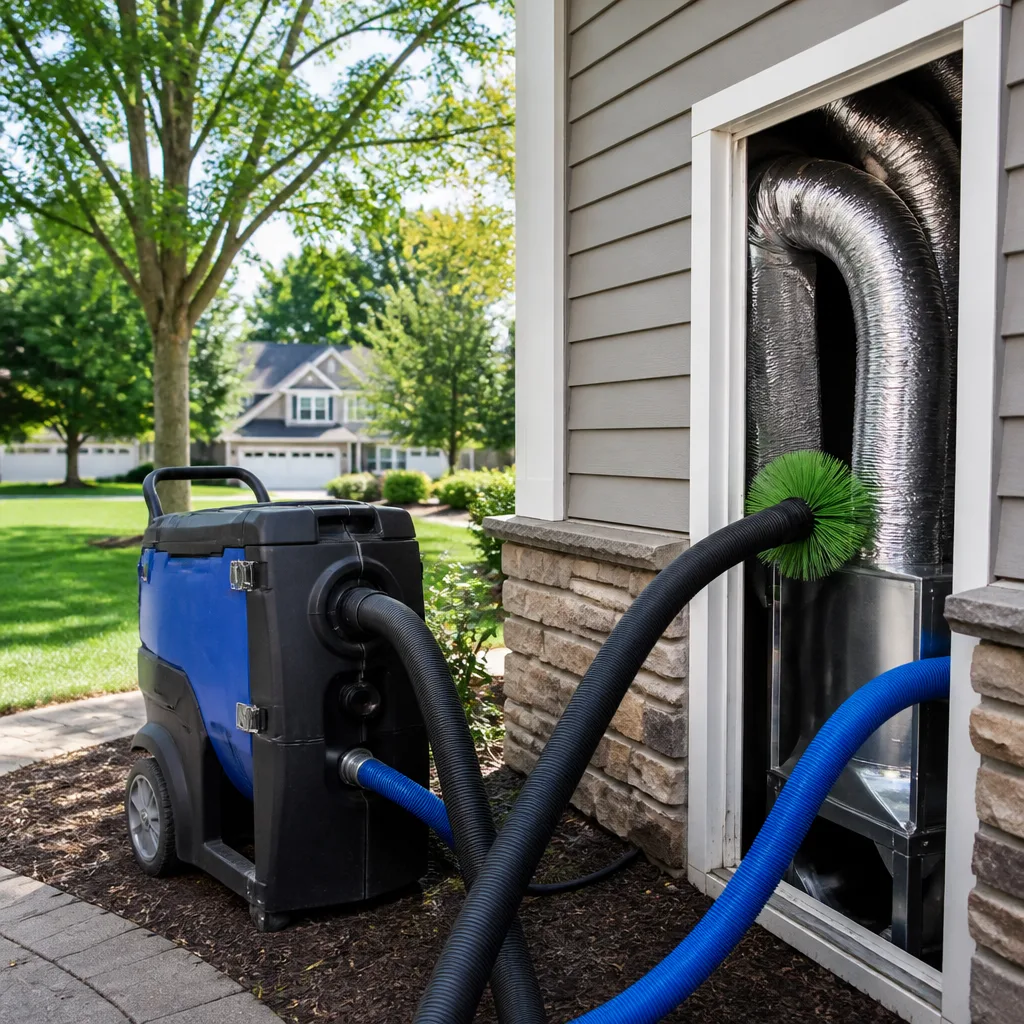 Whole-home duct cleaning
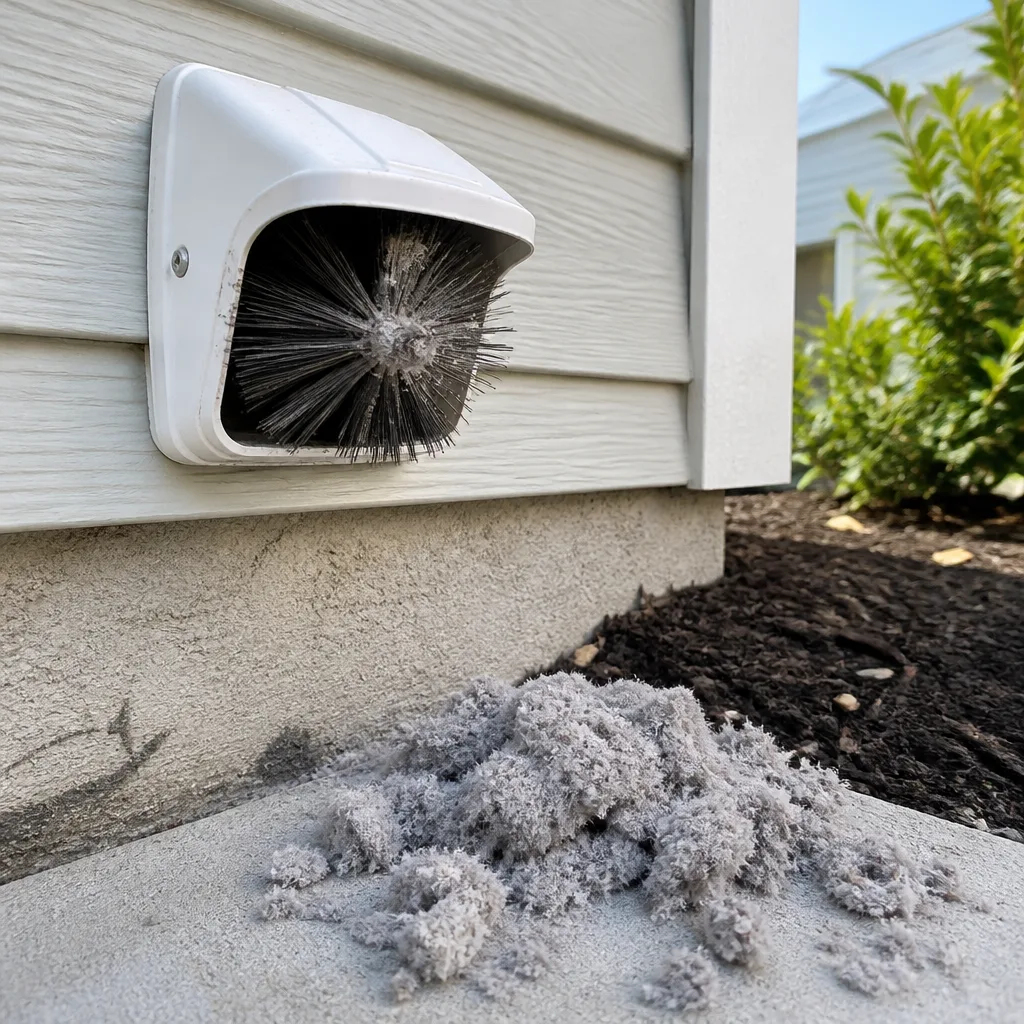 Dryer vent cleaning
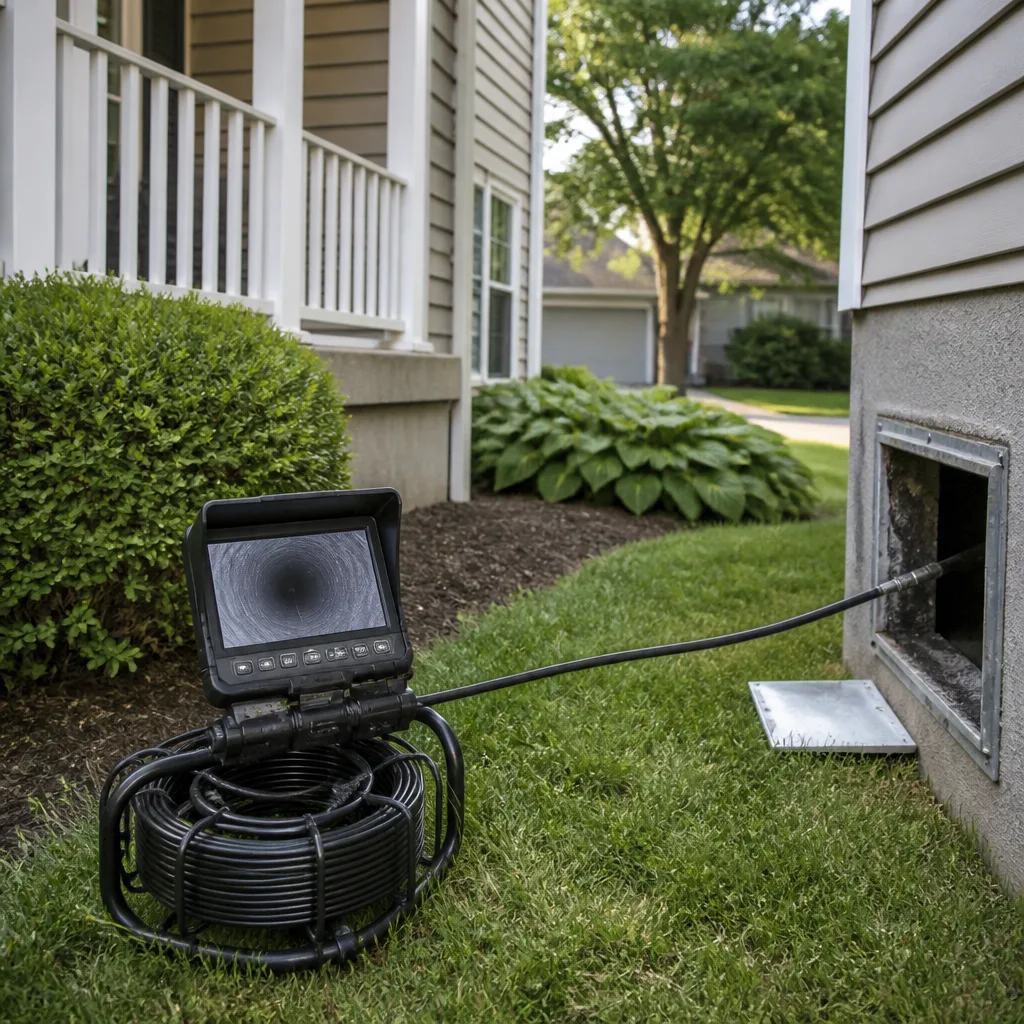 Camera inspection
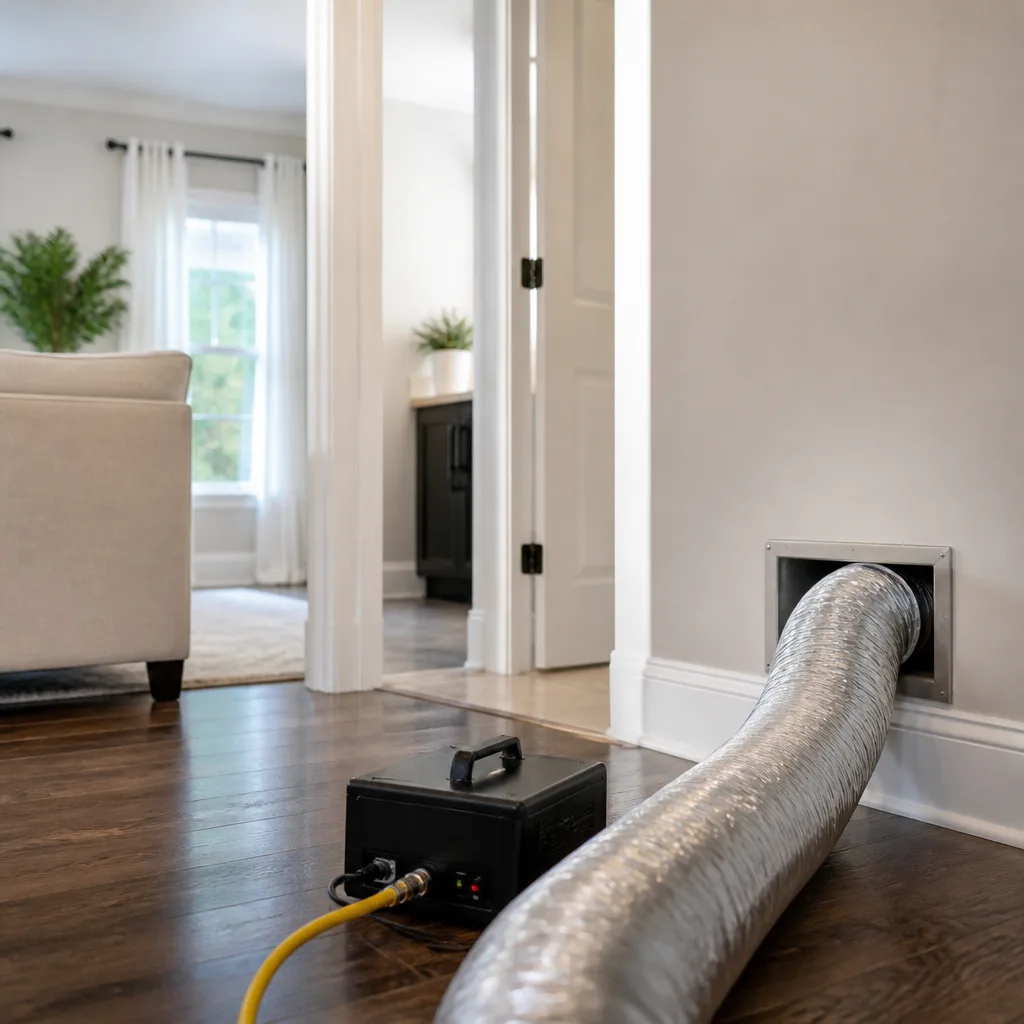 Sanitizing & deodorizing
Whole-system duct and dryer vent check with before-and-after photos - you see exactly what came out of your vents
That "$99 whole-house special" is a bait ad - the real number appears once they are in your hallway, or the "clean" is a shop-vac at the register. We photograph the inside of your ducts before and after instead.
Air Duct Cleaning Permits, Codes & Inspections in CA: What You Need to Know
Here’s the uncomfortable truth most Camarillo homeowners discover too late: the routine air duct cleaning you scheduled for $400 might be the least regulated part of the job. What happens when the technician finds a disconnected duct, a collapsed section, or a gaping hole in the return plenum? That’s where cleaning stops and building-code territory begins. In California, the distinction between “maintenance” and “modification” isn’t a technicality; it’s the line between work you can forget about and work that follows you to the closing table. This guide maps exactly where that line sits under the California Mechanical Code, how Ventura County and Camarillo enforce it, and what documentation you should demand before anyone touches your system. For related reading, see our Air Duct Cleaning Warning Signs: A Camarillo Homeowner’s Reference Guide.
Quick Answer
Routine air duct cleaning, which involves brushing and vacuuming the interior of existing ductwork, does not require a permit anywhere in California. However, any modification to the duct system, including re-running flex duct, sealing disconnected sections, replacing registers, or altering the duct layout, falls under the California Mechanical Code and typically requires a building permit from the City of Camarillo or Ventura County. Unpermitted duct modifications can create disclosure problems when you sell and can give your insurer a reason to deny HVAC-related claims.
Styles & brands we work with
- Whole-home duct cleaning
- Dryer vent cleaning
- Camera inspection
- Sanitizing & deodorizing
Table of Contents
- Where Cleaning Ends and Modification Begins
- What the California Mechanical Code Actually Says About Ducts
- How Camarillo and Ventura County Handle Duct Permits
- Why Your Duct Cleaning Invoice and Repair Scope Should Be Separate Documents
- How Unpermitted Duct Work Affects Insurance Claims
- What a Legitimate Duct Repair Contractor Should Provide After Permitted Work
- Common Mistakes to Avoid
- When to Call a Professional
Where Cleaning Ends and Modification Begins
The California Mechanical Code draws a clear but poorly publicized line between two kinds of work. Maintenance, which includes cleaning, inspection, and minor component replacement like filter changes, lives outside the permit system. Modification, which includes any change to the duct system’s physical configuration, crosses into permit territory the moment a tool alters the structure rather than the interior surface.
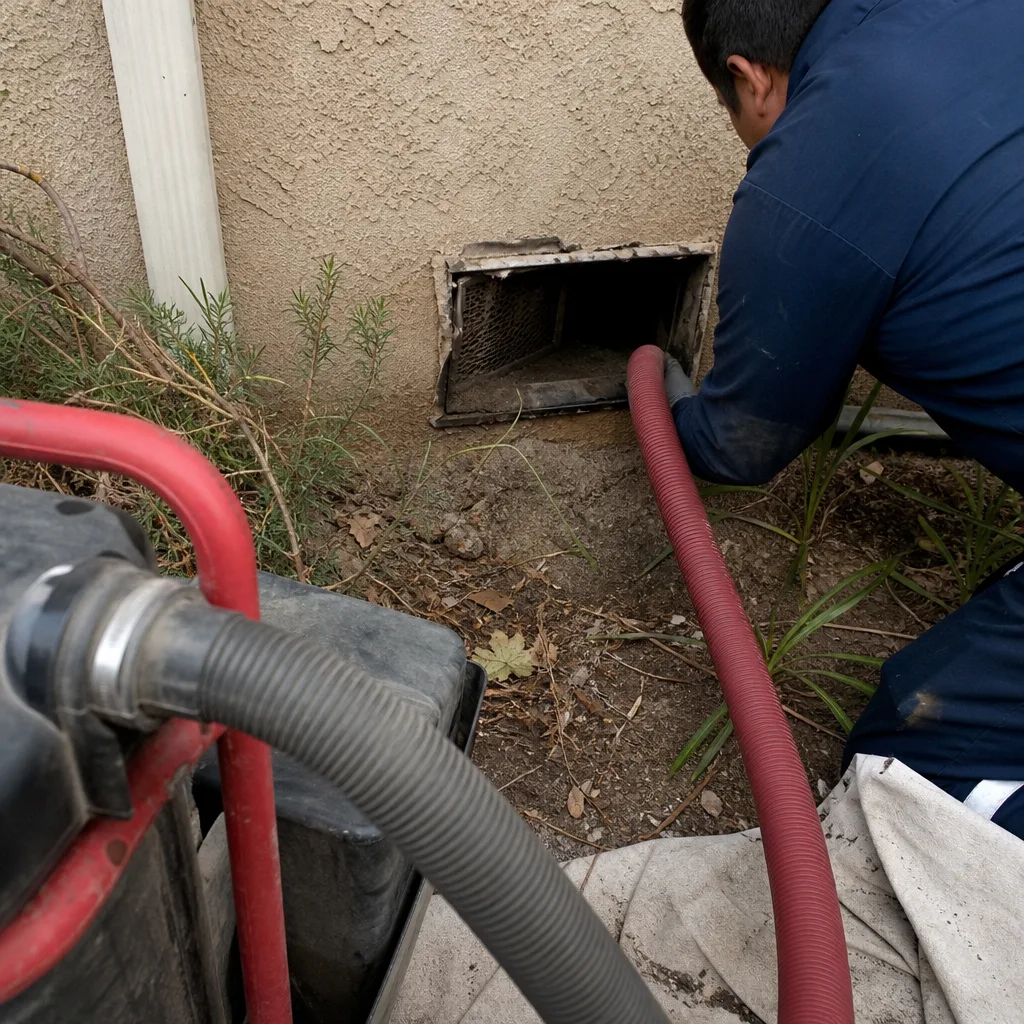
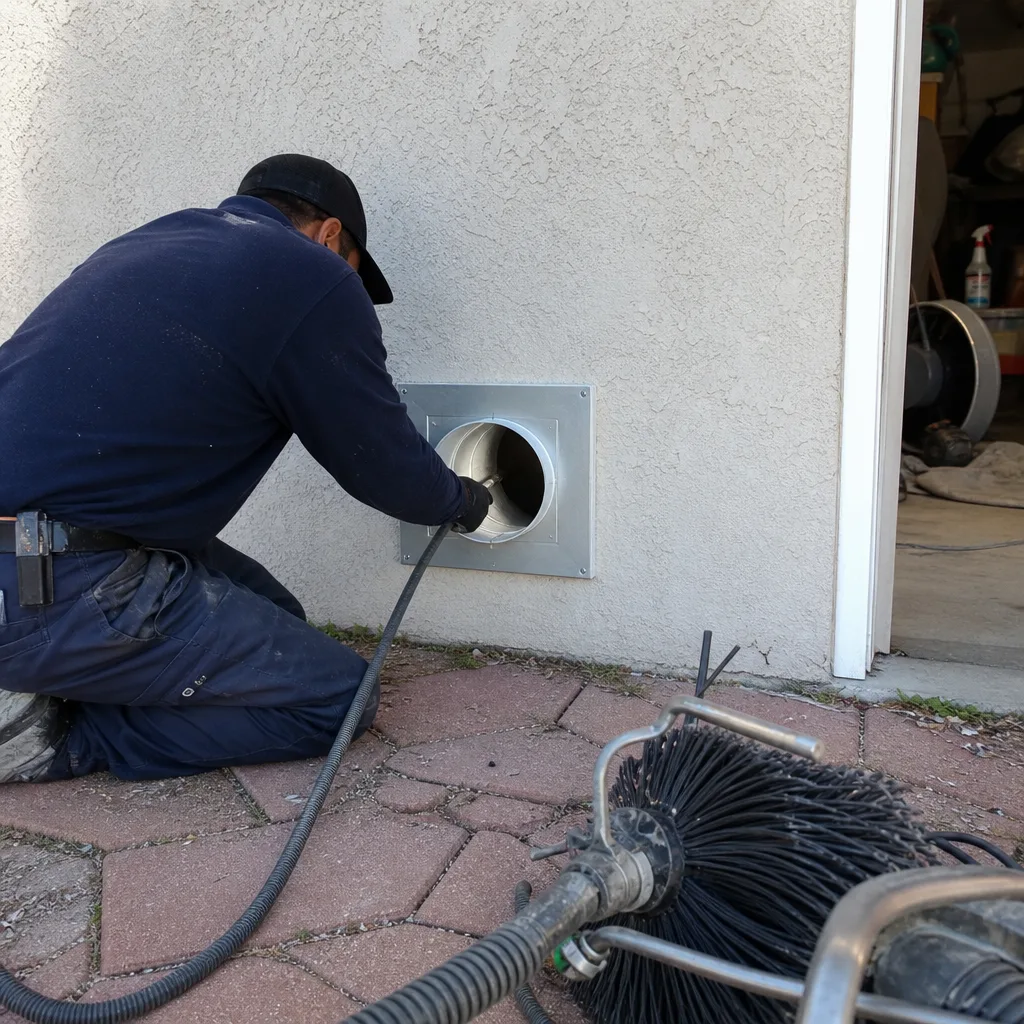
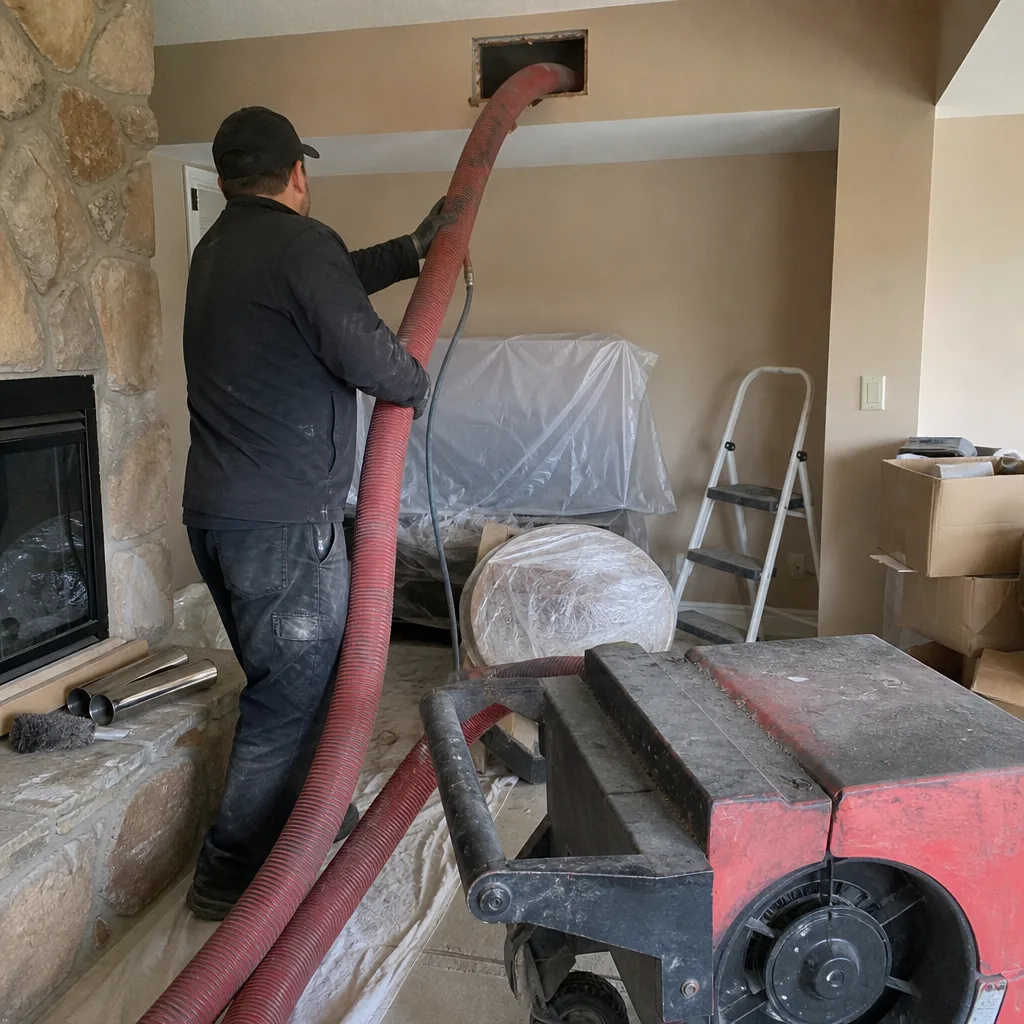
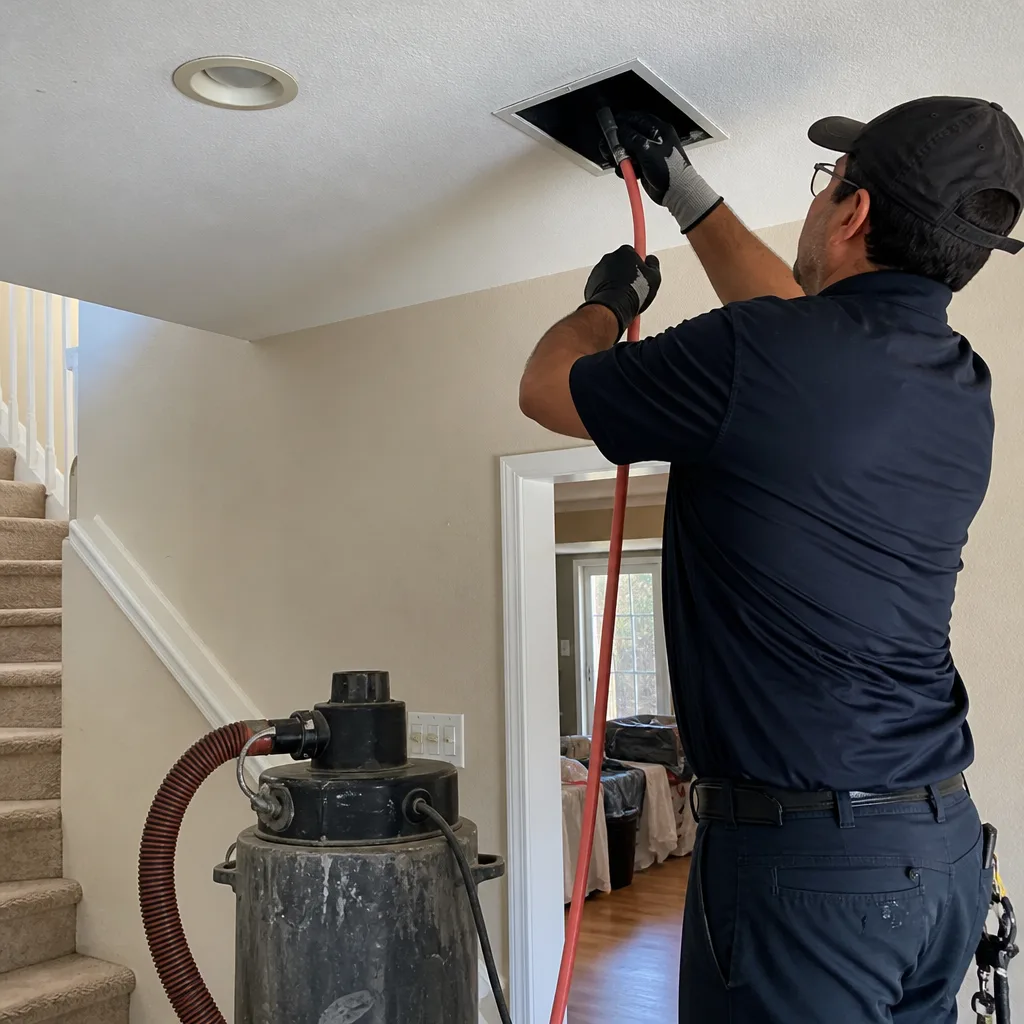
Here’s what that means in practical terms. If a technician runs a Rotobrush contact-cleaning system through your ducts, physically brushing the duct walls while Nikro HEPA-rated equipment vacuums loosened debris out of the airstream, that’s maintenance. No permit needed. The duct system remains exactly as it was, just cleaner. The same applies to dryer vent cleaning, which removes lint without altering the vent’s path, connections, or termination point.
But the moment that technician finds a disconnected trunk line and reattaches it, seals a leaking joint with mastic, replaces a crushed section of flex duct, or installs a new register boot, that’s modification. The duct system has changed. Under California code, that work requires a permit, regardless of whether it happened during a cleaning visit or a separate repair appointment.
We see this line get crossed regularly in Camarillo, often by well-meaning technicians who don’t want to leave a homeowner with an obviously broken system. They fix the problem, charge for the repair, and hand over a single invoice that says “duct cleaning” at the top. The homeowner never learns that the invoice conceals unpermitted structural work until a home inspector flags it three years later during escrow. That’s why we separate air duct cleaning documentation from air duct repair documentation, so nothing gets buried.
What the California Mechanical Code Actually Says About Ducts
The California Mechanical Code, which is Chapter 6 of the California Building Standards Code (Title 24), governs duct systems under its provisions for air distribution. The relevant sections cover duct construction, installation, insulation, and sealing. What most homeowners don’t realize is that the code treats ductwork as part of the building’s mechanical system, not as an accessory to it. That means any work that alters the duct system is, by definition, an alteration to a regulated building system.
Under the code, ducts must be constructed of approved materials, sized according to the system’s design airflow, supported at specified intervals, and sealed to limit leakage. When a duct is disconnected, collapsed, or otherwise compromised, restoring it to code-compliant condition isn’t just a repair; it’s a regulated act because the repair must meet current code requirements, not the standards from whenever the house was built.
Here’s what triggers permit requirements under the California Mechanical Code, based on how local building departments interpret it:
- Re-running or replacing flex duct sections: Any reconfiguration of duct routing counts as new installation.
- Sealing disconnected joints or replacing duct connectors: Structural repair, not surface cleaning.
- Installing, replacing, or relocating registers, grilles, or diffusers: Changes the air distribution pattern of the system.
- Modifying the plenum or trunk line: Altering the main supply or return duct is always a code-level change.
- Adding or removing duct branches: Changes system airflow and requires recalculation.
- Replacing sections damaged by water, pests, or age: New material means new code compliance requirements.
What does not require a permit is the removal of contaminants from the interior surfaces of existing, code-compliant ductwork. That’s the entire scope of a proper cleaning service, and it’s why we can use Abatement Technologies equipment, the same remediation-grade negative-air and containment tools used in professional mold and asbestos abatement, without triggering a permit review. We’re not changing the system; we’re restoring its interior surfaces.
How Camarillo and Ventura County Handle Duct Permits
Camarillo issues mechanical permits through its Building and Safety Division, which operates under the Ventura County Building and Safety umbrella for certain types of work. For homeowners, the practical upshot is that duct modification permits go through the city if you live within Camarillo city limits and through the county if you’re in an unincorporated area nearby. The distinction matters because the two jurisdictions have slightly different application processes.
The City of Camarillo requires a mechanical permit application, a scope of work description, and in many cases a simple plan or sketch showing what will be modified and where. For straightforward duct repairs like replacing a collapsed section or reconnecting a separated joint, the review is typically quick. The permit fee scales with the valuation of the work, so a $600 duct repair might carry a permit fee in the $100-$150 range. That’s not nothing, but it’s trivial compared to the cost of unwinding an unpermitted repair during a home sale.
Ventura County follows California Mechanical Code requirements with similar enforcement. The county building official has the authority to require permits for any mechanical work that involves “cutting into, altering, or adding to” a duct system. In practice, both Camarillo and the county are more concerned with large-scale HVAC replacements than individual duct repairs, but the code language doesn’t distinguish between a one-foot section and a whole-house re-duct. The legal obligation is the same.
For homeowners in Camarillo neighborhoods like Mission Oaks, Santa Rosa Valley, or the older housing stock near Pleasant Valley, the best move is to call the Building and Safety Division directly and describe the work. You’ll get a straight answer about whether a permit is needed for your specific situation, and you’ll have a record of the conversation for your home file. We recommend doing this before any repair work begins, not after the fact.
Why Your Duct Cleaning Invoice and Repair Scope Should Be Separate Documents
Here’s a scenario we’ve watched play out too many times in Camarillo. A homeowner hires a company to clean the ducts. During the visit, the technician finds a disconnected return duct and reconnects it. The invoice says “Air duct cleaning and minor repair: $450.” Five years later, the homeowner lists the house, and the buyer’s inspector discovers the repair wasn’t permitted. Now the seller is scrambling to pull a retroactive permit, arrange an inspection, and possibly open up a wall to show the work was done correctly.
The problem isn’t the repair. A reconnected return duct is a good thing. The problem is the documentation. When cleaning and repair appear on the same invoice, the homeowner has no way to demonstrate which work was maintenance and which was modification. The paper trail collapses.
Here’s what a clean documentation setup looks like:
- Separate cleaning invoice: Lists the scope as interior cleaning only, with equipment used (Rotobrush, Nikro HEPA vacuuming) and before-and-after verification of the cleaning itself.
- Separate repair scope: Describes the exact modification in code language, such as “reconnected separated return duct at master bedroom branch” or “replaced 8 feet of crushed 10-inch flex duct with new R-6 insulated flex.”
- Permit documentation: If the repair required a permit, a copy of the permit, the inspection sign-off, and photos of the completed work.
- Homeowner file: All three items stored together for disclosure at resale.
At Duct Cleaning Camarillo, we treat these as separate work streams because they are separate work streams under California law. An Air Duct Cleaning services customer gets a cleaning invoice. A repair customer gets a repair scope, and if that scope crosses into permit territory, we’re direct about it before the work begins. The distinction protects the homeowner, not just from code enforcement but from the quiet risk of undisclosed liability.
How Unpermitted Duct Work Affects Insurance Claims
Homeowner’s insurance policies contain language that most policyholders never read until they need it. Buried in the conditions section of a standard California HO-3 policy is a clause that typically states the insurer is not liable for loss caused by faulty workmanship, construction, or repair, and that coverage may be denied if the loss results from work that was not performed in accordance with applicable building codes.
Translated: if you have water damage from a disconnected duct that was repaired without a permit, and the repair fails, your insurer has grounds to deny the claim. The argument is straightforward: the loss was caused by unpermitted work, and unpermitted work is, by definition, suspect. The homeowner who saved $120 on a permit fee now faces a $12,000 remediation bill.
This isn’t hypothetical in Ventura County. Coastal moisture, the marine layer that rolls through Camarillo year-round, and the temperature swings between the Oxnard plain and the Conejo grade put real stress on duct connections and sealing. Duct failures happen. When they lead to water intrusion or mold, the first question an adjuster asks is whether any prior work was done on the system. If the answer is yes and there’s no permit, the claim gets complicated.
The same logic applies to fire claims involving dryer vents. A dryer vent cleaning that removes built-up lint is a maintenance task that reduces fire risk; that’s why we frame Dryer Vent Cleaning in Camarillo as a fire-safety service first. But if a vent is rerouted, extended, or terminated in a non-compliant location without a permit, and a fire starts in that vent, the insurer will look hard at whether the modification contributed to the loss. Documentation is what separates an easy claim from a contested one.
What a Legitimate Duct Repair Contractor Should Provide After Permitted Work
When you hire someone to perform permitted duct modification work in Camarillo, you’re paying for more than the physical repair. You’re paying for a paper trail that proves the work was done to code. A contractor who pushes back on documentation is telling you something important about how they operate.
Here’s the documentation checklist for any permitted duct repair in California:
- The permit itself: A copy of the mechanical permit from the City of Camarillo or Ventura County, showing the scope of work and the permit number.
- Inspection sign-off: A signed inspection record from the building department confirming the work passed inspection. This is the document that matters most at resale.
- Photos of the completed work: Before, during, and after images showing the repair in place.
- Material specifications: What was installed, such as R-6 insulated flex duct, mastic sealant, or new register boots.
- Contractor information: License number, business name, and contact information for the entity that performed the work.
A legitimate contractor will also advise you when a permit is not required and document that determination. If a repair falls under the maintenance threshold and no permit is needed, ask for that in writing. A one-line note on the invoice, “Permit not required for this scope under CMC Section X,” gives you something to show a future buyer’s inspector. It’s a small thing that prevents a big problem.
In our experience, homeowners who keep these records experience measurably smoother escrow periods. The buyer’s inspector asks about the duct system, the seller produces a folder with the permit, the sign-off, and the photos, and the conversation ends. The alternative is a negotiation over price reductions or repair credits, and that’s a conversation nobody wants at the closing table.
Common Mistakes to Avoid
- Letting a cleaning tech do structural repairs without a permit: The technician might be talented and well-intentioned, but untracked structural work becomes your liability. If the repair requires a permit, insist on the permit.
- Accepting a single invoice for cleaning and repair: Combined invoices obscure what actually happened. Request separate documentation so the maintenance work and the modification work are independently verifiable.
- Pulling a permit after the work is done, without informing the building department: Retroactive permitting is possible in Camarillo, but it’s more expensive and more invasive because the inspector may require exposed ductwork to verify the work. Do it in the right order.
- Assuming a home warranty covers unpermitted duct repairs: Home warranty companies routinely deny claims for work performed without permits. The warranty contract typically requires that all work be performed to code.
- Skipping the permit on a small repair because it feels minor: The California Mechanical Code doesn’t have a de minimis exception for duct modification. A six-inch repair carries the same legal classification as a whole-system replacement.
- Not documenting the “no permit needed” determination: If your contractor says a permit isn’t required, get that in writing. Verbal assurances evaporate during escrow.
- Failing to check whether your contractor’s permit covers their subcontractor: If a subcontractor performed the work, confirm they’re named on the permit. Unnamed subcontractors performing permitted work is a common disclosure trap.
When to Call a Professional
Call a duct specialist when you’re facing any of these situations: you’ve noticed visible dust streaks around registers, your allergies have worsened indoors, rooms heat or cool unevenly, or you’ve just completed a remodel that generated drywall dust. If you’re buying or selling a home in Camarillo and the inspection report flags duct condition, get a professional assessment before closing. If a technician performing a cleaning identifies structural issues, like disconnected sections, collapsed flex, or leaking joints, address them through the proper permitting channel. Duct Cleaning Camarillo offers free estimates in Camarillo, and our team can assess both cleaning and repair needs in one visit. Call (833) 593-6403 to schedule.
See the difference
 Before
 After
 Before
 After
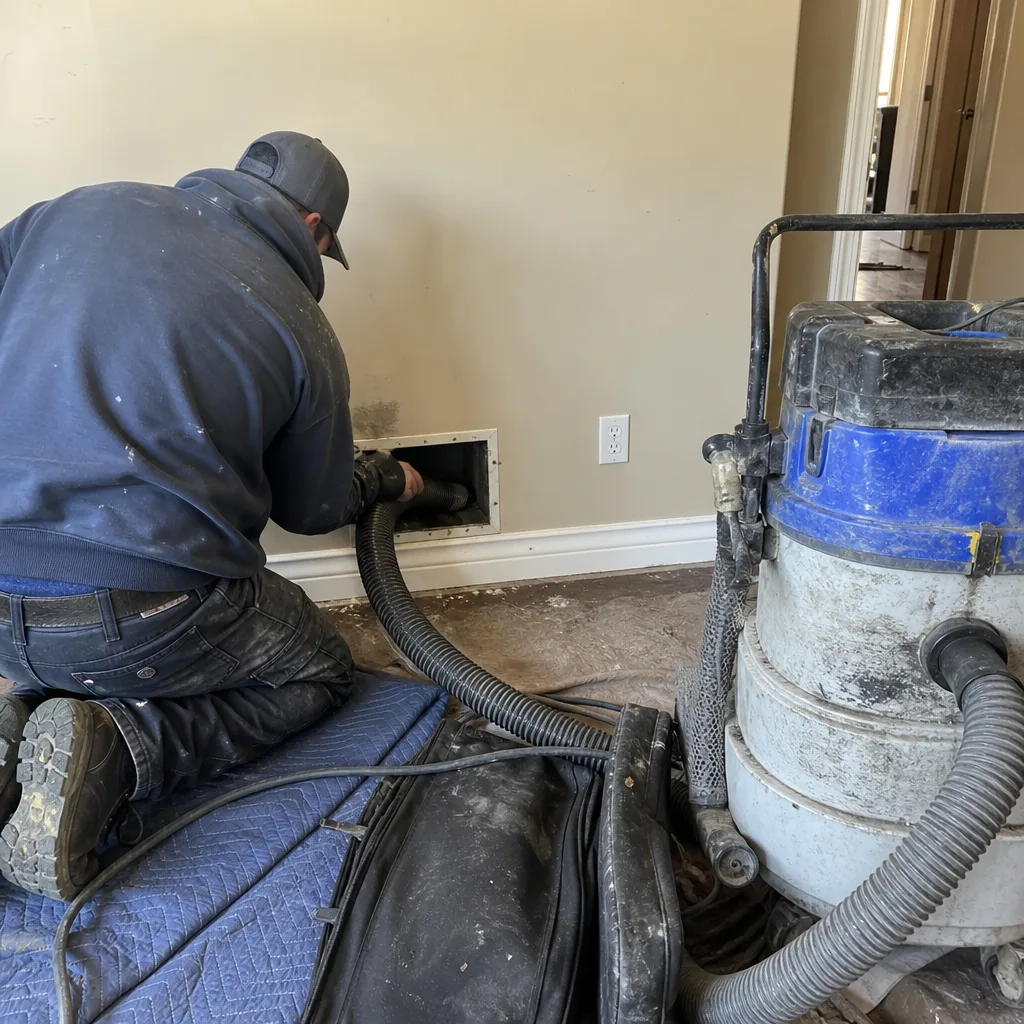 Before
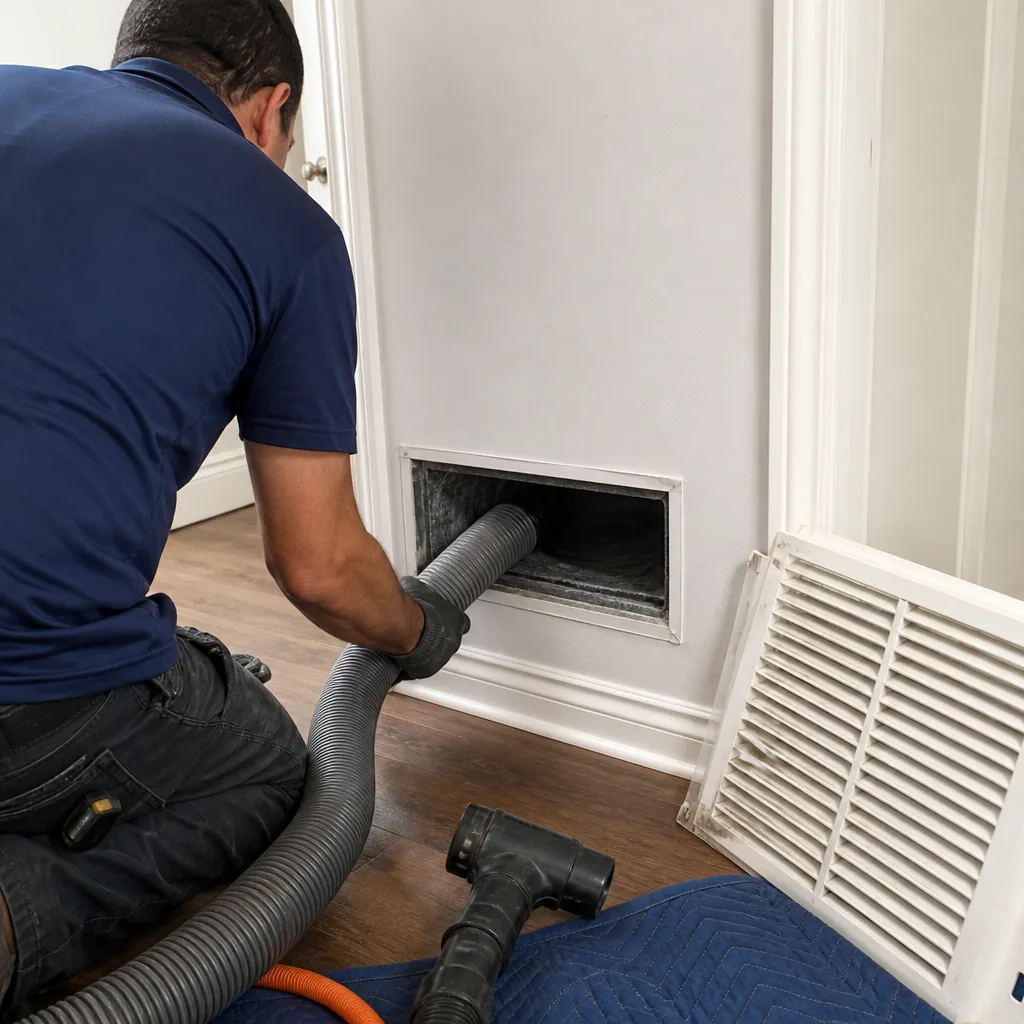 After
Frequently Asked Questions
No. Routine air duct cleaning, which removes dust, dander, and debris from the interior surfaces of existing ductwork using contact-cleaning methods and HEPA vacuuming, is classified as maintenance under the California Mechanical Code and does not require a permit from the City of Camarillo or Ventura County. Call (833) 593-6403 for details specific to your home.
Duct modification requires a permit in Camarillo, including re-running flex duct, sealing disconnected sections, installing or relocating registers, modifying plenums, adding or removing branches, and replacing damaged sections with new material. Work that alters the physical configuration of the duct system falls under the California Mechanical Code. An estimate is free at (833) 593-6403.
Mechanical permit fees in Camarillo and Ventura County typically range from $80 to $250 for minor duct repairs, depending on the valuation of the work. The fee is based on the total project cost, so a small repair carries a proportionally small permit fee. For an exact quote on your repair and its permitting requirements, call (833) 593-6403.
Yes. Unpermitted duct modifications must be disclosed during escrow in California, and buyers often request retroactive permits, inspections, and price reductions when unpermitted work is discovered. Documentation showing the work was performed with a permit and passed inspection eliminates this negotiation point. Call (833) 593-6403 to discuss bringing your duct system into compliance.
A duct cleaning invoice documents maintenance work only: cleaning the interior surfaces of existing ductwork. A duct repair scope documents structural modification, like reconnecting a separated duct or replacing a crushed section. Keeping these as separate documents lets you prove which work was maintenance and which was modification at resale. For help determining your duct system’s status, call (833) 593-6403.
Duct cleaning itself primarily addresses air quality by removing dust, dander, and debris from heating and cooling ducts. Dryer vent cleaning is the service that directly reduces fire risk by removing lint buildup from the vent path. At Duct Cleaning Camarillo, both services are core offerings, and dryer vent cleaning should always be treated as a fire-safety measure first. Call (833) 593-6403 to schedule either.
Request a copy of the mechanical permit from the contractor, then verify it with the City of Camarillo Building and Safety Division or Ventura County Building and Safety. Confirm the permit number is active, the scope matches the work performed, and the inspection sign-off is on file. Legitimate contractors provide this documentation without hesitation. For guidance on your specific situation, call (833) 593-6403.
The Bottom Line
Duct cleaning in Camarillo is maintenance. Duct modification is construction. The permit line between them isn’t flexible, but it’s easy to understand once you know where it sits. Clean existing ducts freely. Repair, replace, reroute, or reconfigure them only with the proper permit and documentation. Keep cleaning invoices and repair scopes separate. Store permit records where you can find them at resale. And when a cleaning reveals structural problems, address them through the right channel the first time. Explore more guides & resources on maintaining your home’s air system. The cost of doing it correctly is a fraction of the cost of unwinding it later.
Written by the team at Duct Cleaning Camarillo, serving Camarillo since 2013.