
Last updated November 2, 2026
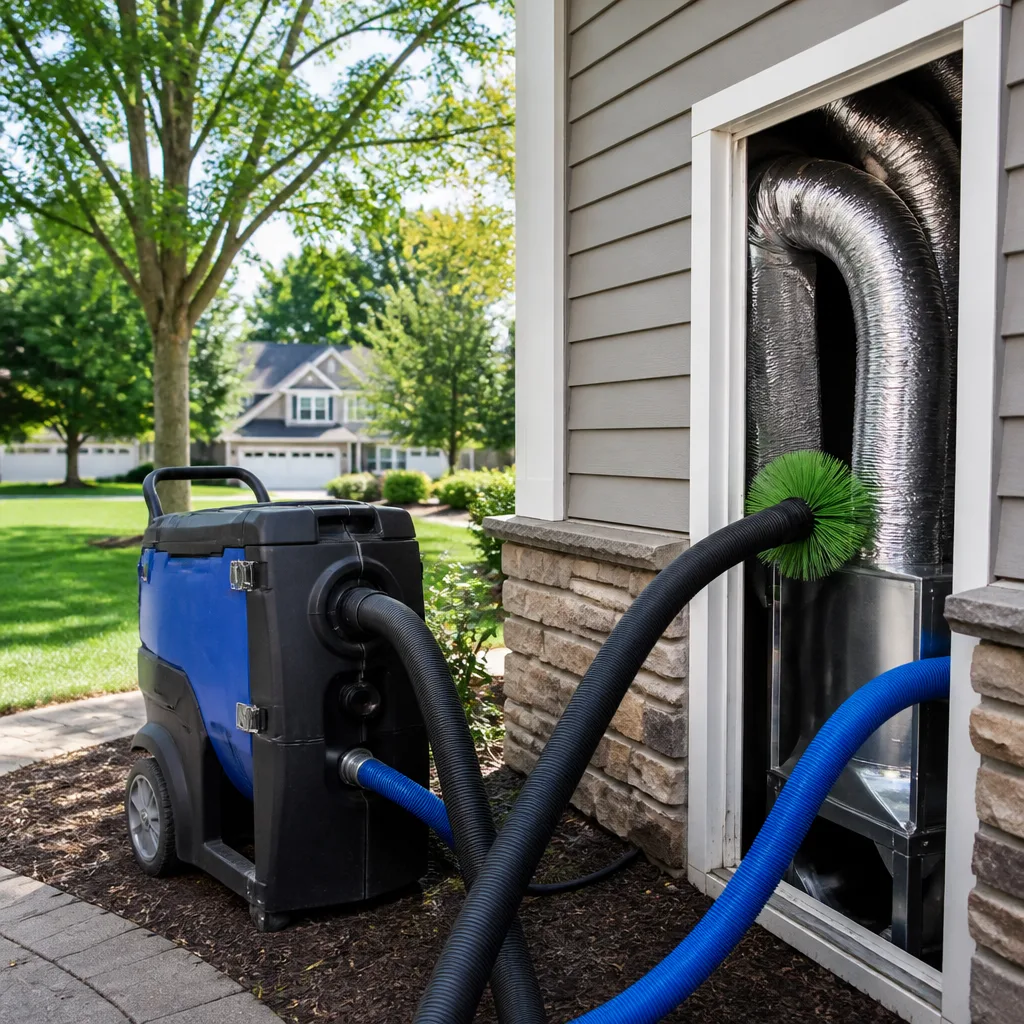 Whole-home duct cleaning
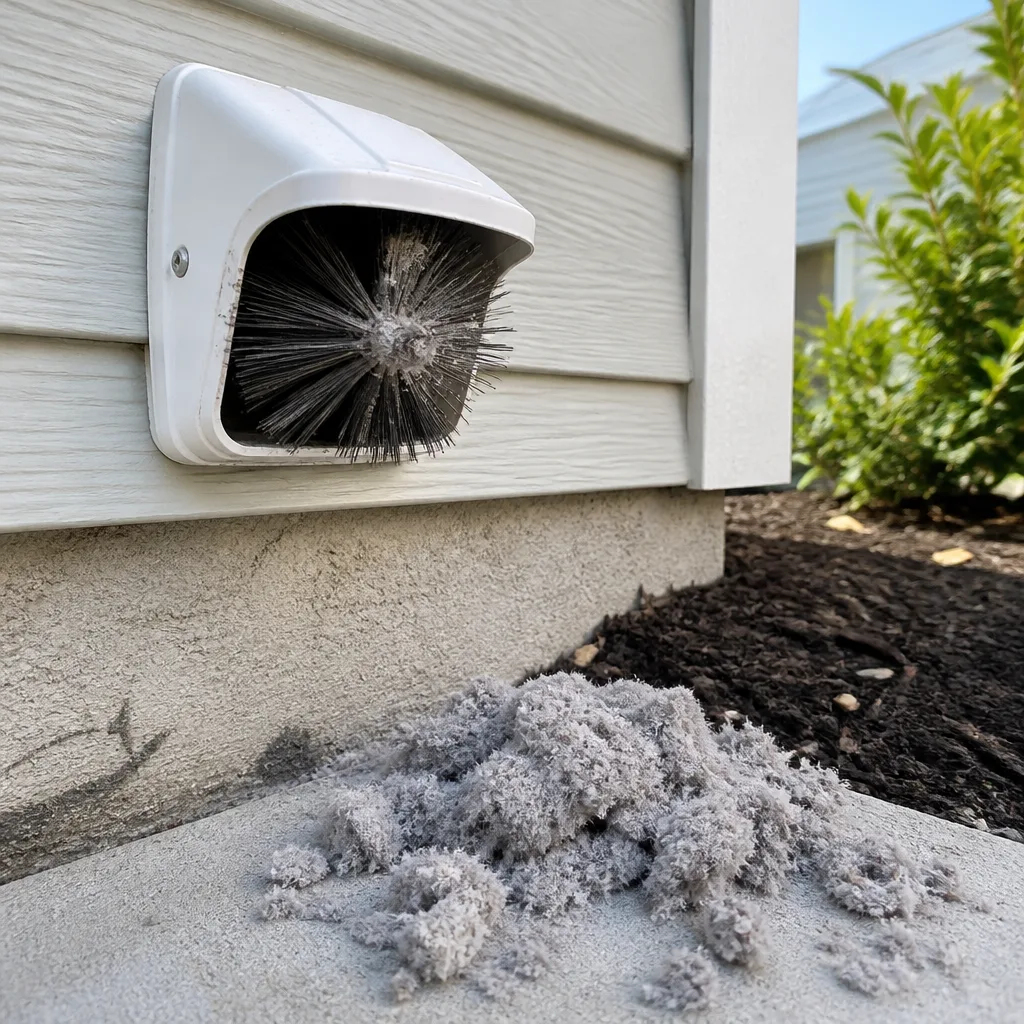 Dryer vent cleaning
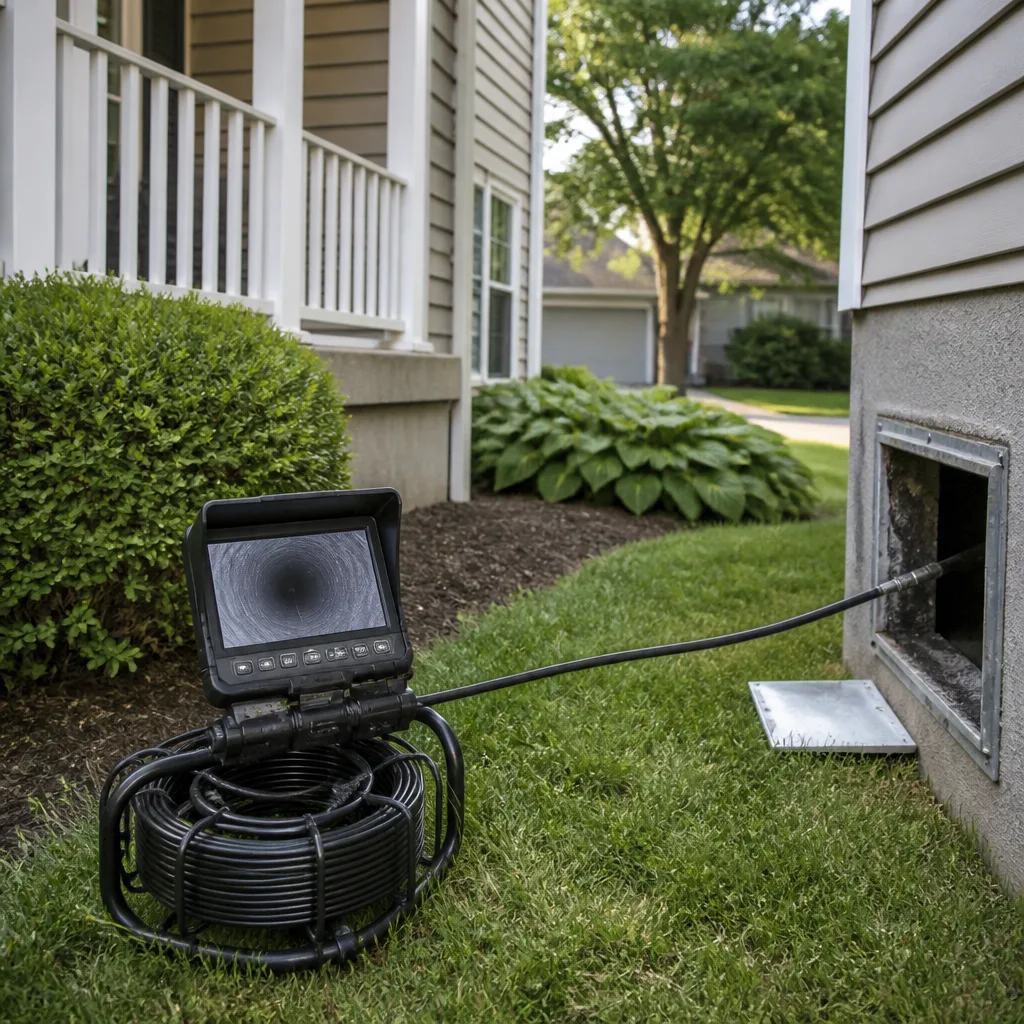 Camera inspection
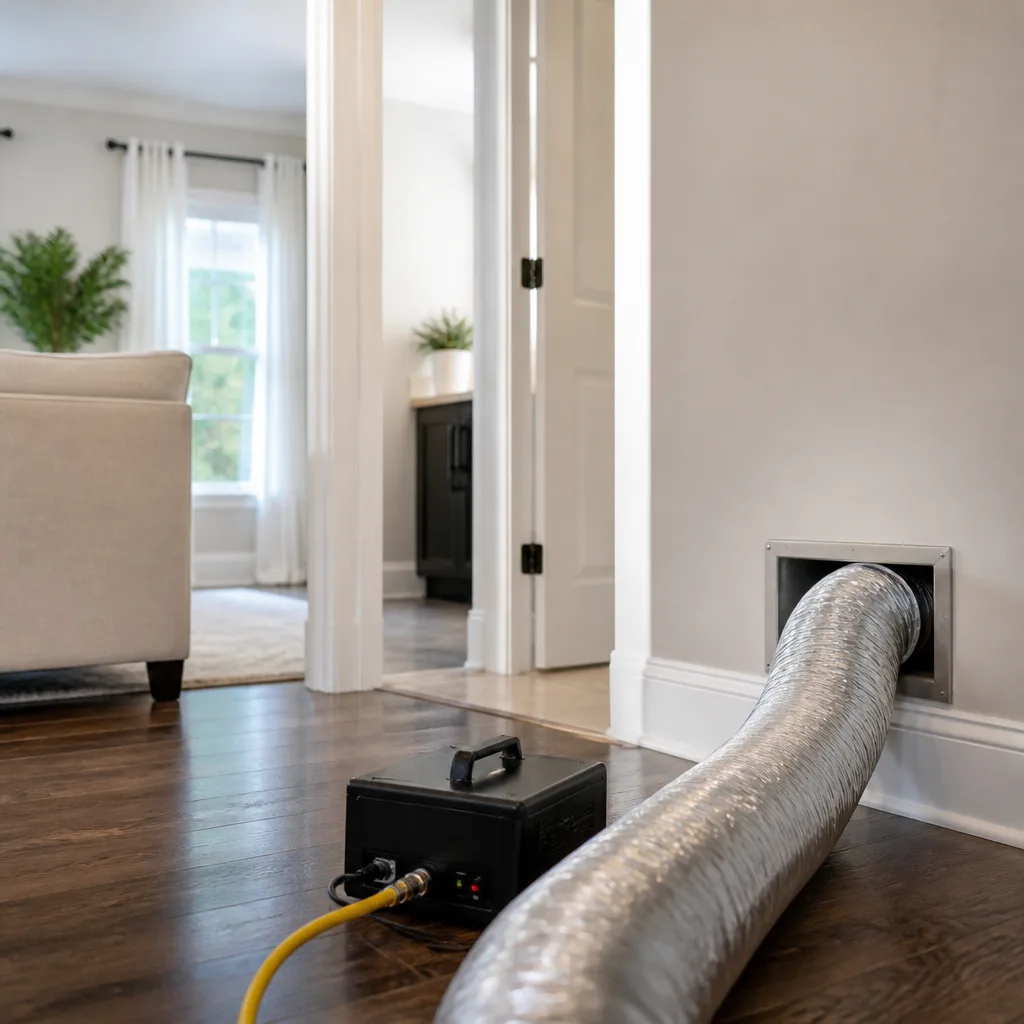 Sanitizing & deodorizing
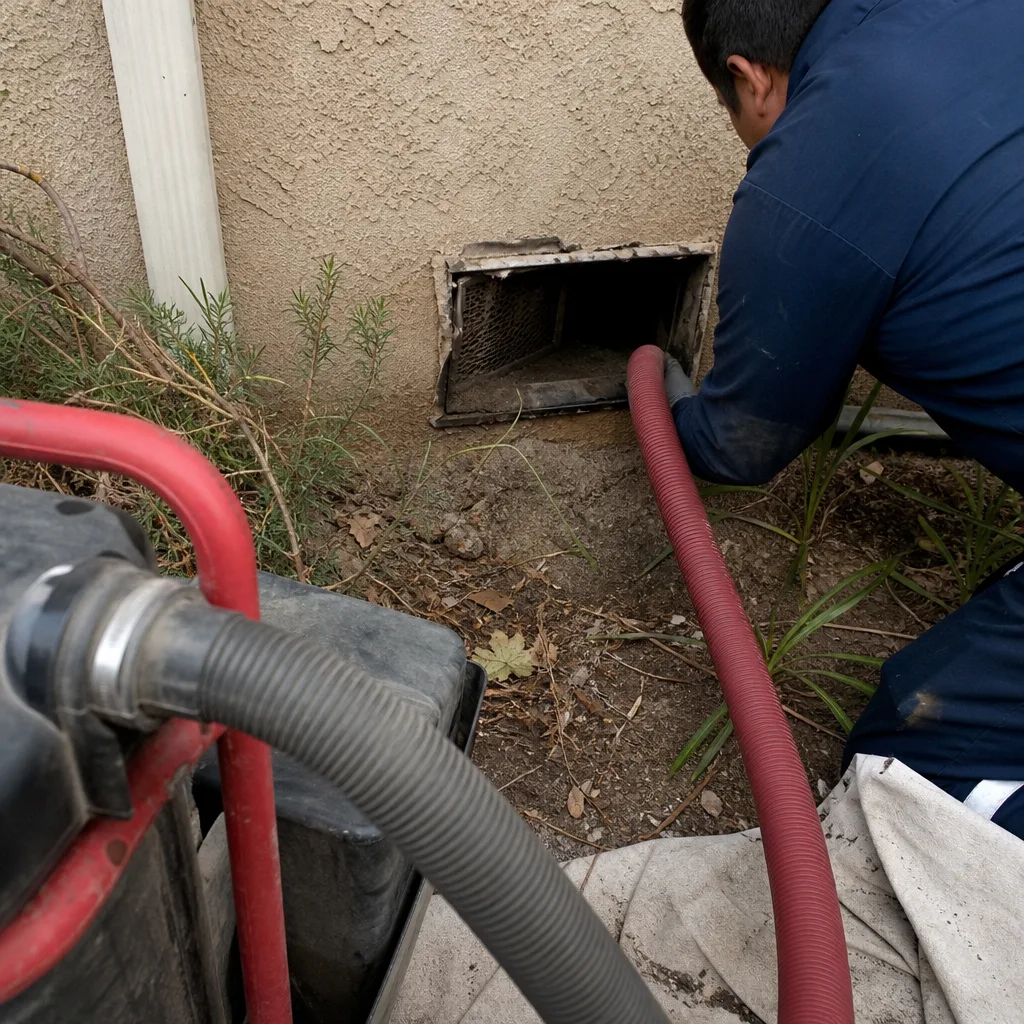
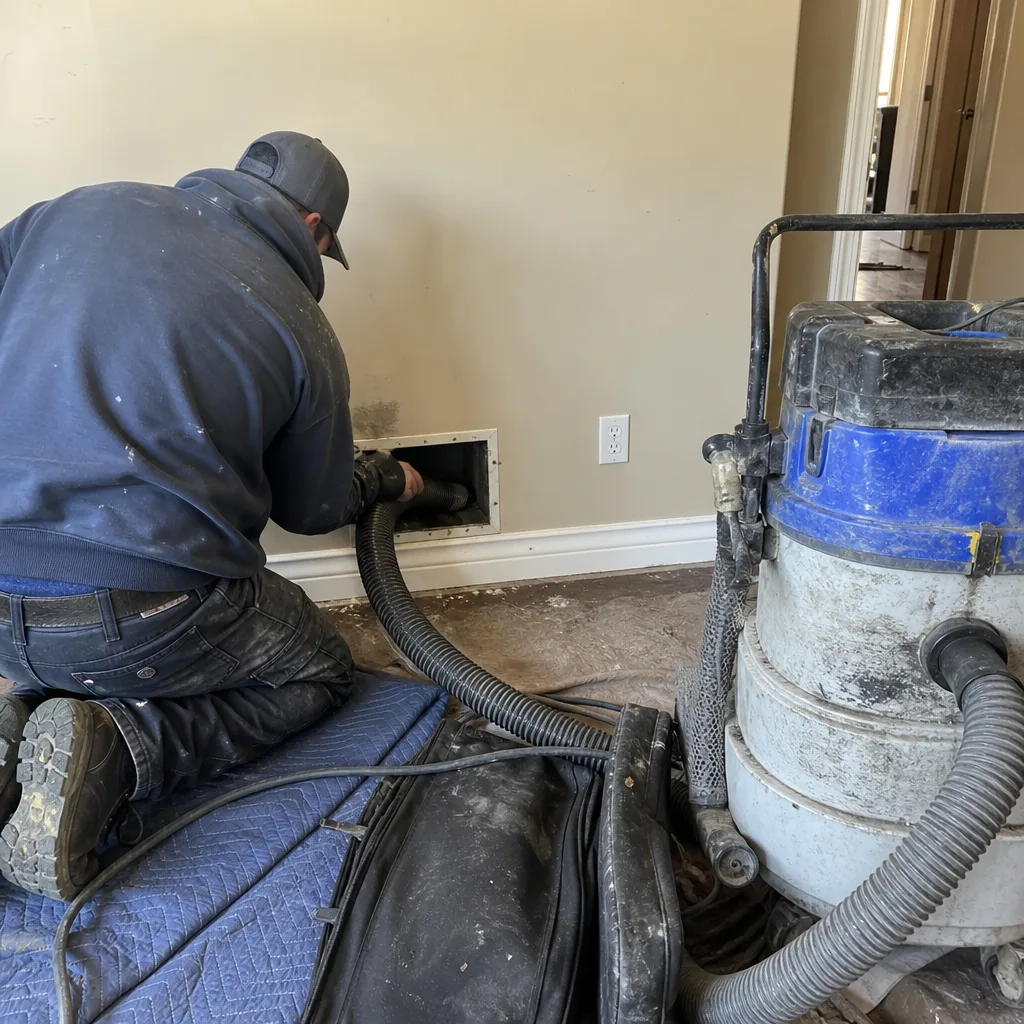
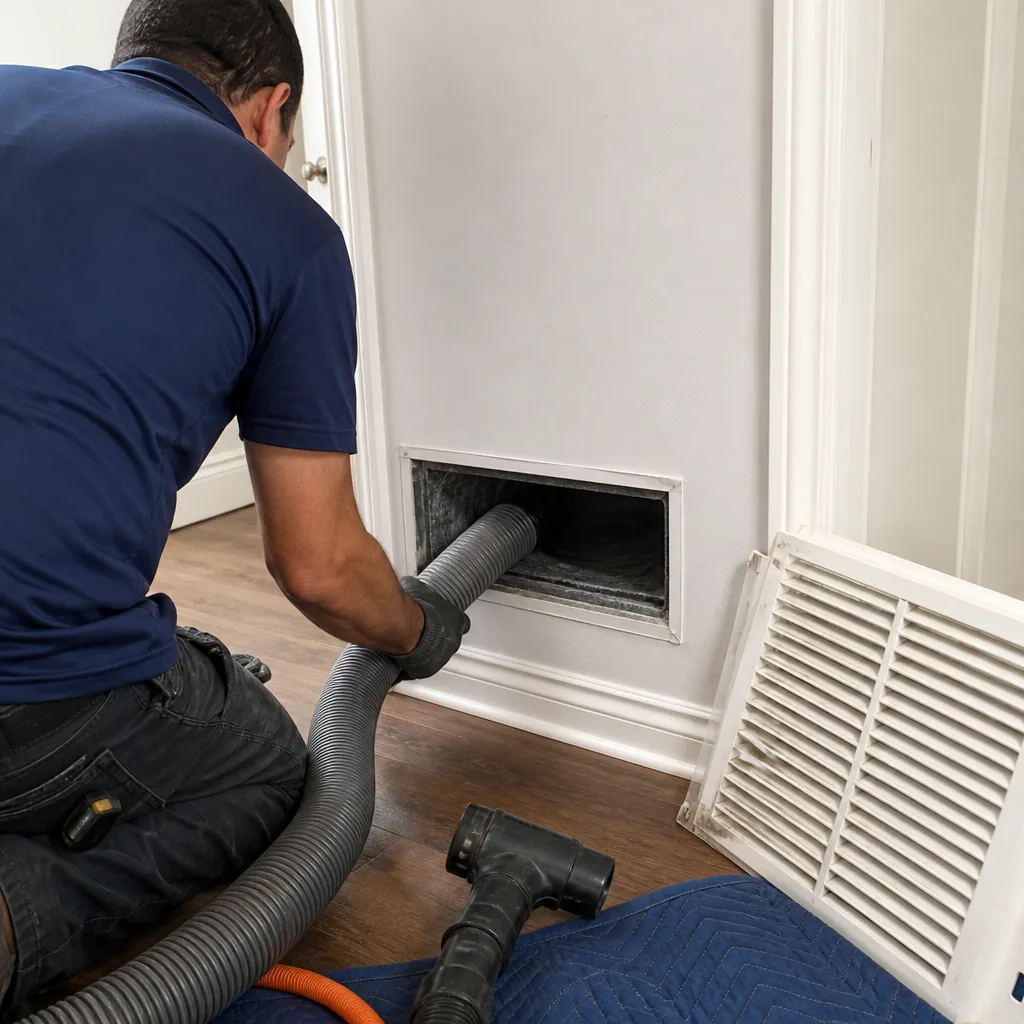
Whole-system duct and dryer vent check with before-and-after photos - you see exactly what came out of your vents
That "$99 whole-house special" is a bait ad - the real number appears once they are in your hallway, or the "clean" is a shop-vac at the register. We photograph the inside of your ducts before and after instead.
Seasonal Air Duct Cleaning Care for Camarillo: Year-Round Homeowner’s Guide
Camarillo averages more than 280 sunny days a year, which sounds like a gift for any homeowner until you understand what it does to a duct system. Unlike climates where heating and cooling seasons alternate with distinct dormant periods, your HVAC runs long, steady cooling cycles from late spring through early fall, continuously recirculating whatever has settled inside your ductwork. Then October arrives, and the Santa Ana winds begin forcing fine particulate through every unsealed gap around windows, doors, and registers. By the time you notice dust on the furniture two days after cleaning it, the system has already been functioning as a conveyor belt for contaminants. This guide maps duct care to Camarillo’s actual weather patterns: the two stress seasons, the repair window, the marine layer factor, and a month-by-month calendar you can follow year-round. For more guides & resources, explore our blog.
Quick Answer
The ideal seasonal duct care schedule for Camarillo homes involves two professional inspections per year: one in late September before Santa Ana wind season, and one in April before cooling season begins. Full our Air Duct Cleaning services are typically needed every 3 to 5 years, but homes with pets, recent renovations, or occupants with allergies often benefit from cleaning every 2 to 3 years. The mild winter window is the best time for duct repair and sealing work, since the system is under minimal load.
Styles & brands we work with
- Whole-home duct cleaning
- Dryer vent cleaning
- Camera inspection
- Sanitizing & deodorizing
Table of Contents
- Santa Ana Season: Camarillo’s Highest-Risk Duct Contamination Window
- Pre-Summer Preparation: Getting Ducts Ready for Long Cooling Runs
- The Winter Mild Season: Your Best Opportunity for Duct Repair
- Marine Layer Humidity and Mold Risk in Flex Duct Systems
- A 12-Month Duct Care Calendar for Camarillo Weather Patterns
- Signs Your Ducts Need Attention Between Scheduled Cleanings
- Common Mistakes to Avoid
- When to Call a Professional
- Frequently Asked Questions
Santa Ana Season: Camarillo’s Highest-Risk Duct Contamination Window
From late September through November, Camarillo sits directly in the path of Santa Ana wind events that sweep down from the high desert. These winds carry fine dust, pollen fragments, and micro-particulate down the Conejo Grade and across the Oxnard Plain with enough force to push through weather stripping, window seals, and register openings. We’ve opened ducts in Camarillo homes after a single strong Santa Ana event and found a visible film of fine silt coating the duct walls inside the first six feet of return runs. That’s material that bypassed the filter entirely, or arrived when the filter was already loaded from months of cooling-season use.
What makes Santa Ana season uniquely risky for duct systems is the combination of wind-driven infiltration and the changing position of your system’s role. In October, many Camarillo homeowners start switching between cooling and heating. Dust that enters during the day gets pulled into return grilles at night when heat kicks on. That dust then bakes onto the heat exchanger and circulates back into living spaces as the system warms it.
A post-Santa Ana inspection should focus on specific checkpoints:
- Return-side duct runs: These are the first to show wind-driven debris because they operate under negative pressure, actively pulling air from the home’s perimeter where infiltration is highest.
- Register boots and floor openings: In homes with floor registers, gravity works against you during wind events. Particulate that enters around doors and baseboards settles into floor openings.
- Filter condition: A filter that looked acceptable in August may be completely loaded by late October without a visible change in indoor dust patterns. Check it monthly during wind season.
- Flex duct connections: High-wind events can shift ductwork inside unconditioned attics, loosening connections and creating gaps that draw in unfiltered attic air, including loose-fill insulation fibers.
The practical takeaway: if you schedule one duct service per year in Camarillo, schedule it after the first two Santa Ana events, not before them. Cleaning before the wind season means you’ll clean again in December. Cleaning after means you remove the season’s deposited material before the holiday heating cycle starts.
For more on what a thorough duct cleaning actually involves and what to expect, see our Air Duct Cleaning in Camarillo guide.
Pre-Summer Preparation: Getting Ducts Ready for Long Cooling Runs
The second major stress season in Camarillo runs from May through September, when cooling systems run for hours daily. The problem isn’t the cooling itself. It’s that the entire time the system runs, it recirculates whatever has accumulated in the ductwork since the last cleaning. If you have six months of accumulated dust, dander, and pollen sitting in your ducts, the first heat wave of May turns your HVAC into a distribution system for all of it.
Pre-summer preparation should happen in April, before the first sustained cooling demand. Here’s the sequence we recommend:
- Check and upgrade filtration: A MERV 8 filter is a bare minimum. If anyone in the home has allergies or asthma, consider a MERV 11 or MERV 13 filter, provided your system can handle the increased static pressure. Homes with older blowers may benefit from a media filter cabinet from Honeywell or Aprilaire, which allows higher filtration without choking airflow.
- Inspect every register and grille: Remove floor and wall registers, vacuum the visible boot cavity, and check for loose connections where the boot meets the subfloor or drywall. Gaps here draw in unfiltered air from wall cavities and crawl spaces.
- Walk the visible duct runs: In garages, attics, and crawl spaces, look for sagging flex duct, disconnected sections, tears in the outer jacket, or obvious compression. Sagging creates low spots where condensation can pool in summer humidity, creating a hospitable environment for mold growth.
- Schedule professional cleaning if it’s been 3 or more years: If you’re past the 3-year mark, schedule cleaning in April. Cleaning before the heavy cooling season means the system runs the entire summer with clean internal surfaces, which translates to lower energy use and better air quality during the months when you rely on that recirculated air most.
The timing matters more than people realize. If you wait until July, when the system is running constantly, you’ve already spent six weeks circulating whatever accumulated over the winter. April cleaning prevents that. It also gives you time to address repair issues before peak cooling demand arrives. A collapsed section of duct found in April is a minor repair. The same issue discovered in August costs you weeks of reduced airflow and higher cooling bills while you wait for service.
If your April inspection reveals structural problems like disconnected sections or crushed flex duct, those are exactly the issues addressed by our Air Duct Repair in Camarillo service. One visit can identify and resolve both.
The Winter Mild Season: Your Best Opportunity for Duct Repair
Between December and February, Camarillo’s cooling demand drops to nearly zero, and heating loads are modest compared to inland cities. This is the strategic opportunity that most homeowners miss: the system is under minimal thermal stress, attics are cooler and more comfortable for technicians, and there’s no urgency driving up demand.
In our experience, the winter months are ideal for two types of work:
- Duct repair and sealing: Leaks at joints, disconnected sections, crushed flex runs, and unsealed plenums are all easier to address when the attic isn’t 130 degrees. Repair work done in January or February means the system enters the next cooling season in correct condition. Duct sealing, whether through mastic application, metal tape, or in severe cases, section replacement, delivers an immediate efficiency benefit that most Camarillo homeowners notice as lower cooling costs in the first summer billing cycle after repair.
- Duct replacement planning: If your home has original ductwork from the 1990s or earlier, especially the gray polybutylene flex duct common in Camarillo homes built during that era, winter is the time to assess whether replacement is warranted before another cooling season. Remediation-grade assessment tools can identify internal deterioration that isn’t visible from the outside.
The other winter advantage is scheduling flexibility. When the ambient temperature is 65 degrees, a repair job that takes three hours in July might take two hours in January, because the technician isn’t working in a superheated attic. That efficiency often translates to lower labor estimates.
Here’s what a winter maintenance sequence looks like for a Camarillo homeowner:
- In early December, after Santa Ana season winds down, schedule a post-wind-season inspection.
- If cleaning is needed, have it done in December or early January, when the system is in low-demand operation.
- During cleaning, ask the technician to note any structural issues: leaks, disconnected sections, torn flex duct, failed tape at joints.
- Schedule repair work for January or February using the findings from the cleaning visit.
- In March, replace the filter with a fresh one appropriate for cooling season and verify that all repaired sections are sealed properly.
This sequence ensures that when the first heat wave arrives in May, the system is clean, sealed, and operating at full efficiency. Most homeowners do this backwards: they wait until the system fails or air quality becomes impossible to ignore, then schedule everything during peak summer demand.
Marine Layer Humidity and Mold Risk in Flex Duct Systems
Camarillo occupies a geographic sweet spot between the Pacific coast and the Conejo Valley, and that position creates a humidity pattern that most inland duct guides completely ignore. The marine layer that pushes in from the coast, especially during May, June, and July mornings, brings consistent damp air to the western portions of Camarillo near the Las Posas corridor. Homes east of the 101 toward the Santa Monica Mountains foothills get less of it, but the pattern affects the entire city on overcast mornings.
The interaction between marine layer humidity and flex duct systems works like this:
- Cool, damp air meets warm unconditioned spaces: When marine layer air infiltrates attics and crawl spaces, its temperature rises, and relative humidity drops, but the absolute moisture content remains. When that air encounters a cool duct surface carrying conditioned air, condensation forms on the duct’s exterior.
- That external moisture attracts dust: Flex duct’s outer jacket is a vapor barrier, but dust and dirt accumulate on any surface, and moist surfaces collect airborne attic particulate far more efficiently than dry ones.
- Internal moisture builds in uninsulated sections: Any gaps in duct insulation, missing metal tape, or unsealed sheet metal sections allow the damp attic air to contact the cool conditioned air stream, creating internal condensation that soaks into the inner duct lining.
Once the inner lining of flex duct stays damp for extended periods, the environment supports microbial growth that no filter can address. The issue is particularly common in Camarillo homes where duct runs pass through unconditioned attic spaces, which covers most single-story ranchers built before 2010.
Preventing this cycle requires three things: properly sealed duct connections, adequate insulation on any duct section passing through unconditioned space, and a system-level approach to moisture control. Aprilaire whole-home dehumidifiers integrate directly with existing HVAC systems and can be set to maintain a target humidity level that discourages condensation inside ductwork. For homes on the western edge of Camarillo that experience extended overcast periods, this type of whole-home humidity management is often more effective than portable dehumidifiers scattered around the house.
A 12-Month Duct Care Calendar for Camarillo Weather Patterns
Most “seasonal duct maintenance” guides are written for four distinct seasons with dramatic temperature swings. Camarillo’s reality is different: a long cooling season, an intense late-fall wind season, a mild winter, and a marine-layer spring. Here is a month-by-month calendar tailored to those actual conditions:
January: Assess and Plan
The system is under low load. Use this month to schedule a thorough duct inspection, especially if you skipped a fall cleaning. Address any repair needs identified during the inspection. If your home has original flex duct from the 1990s, now is the time to plan for replacement before the next cooling cycle.
February: Repair and Seal
Complete duct repair and sealing work. This is the most comfortable time for technicians to work in unconditioned attics, and scheduling is generally more flexible than mid-summer. Any section replacement done now means the next cooling season starts with a sealed, efficient system.
March: Filter Upgrade and System Test
Replace the filter with a clean, appropriately rated unit for the cooling season. Check humidity levels in attics and crawl spaces. Run the system for a full cooling cycle and note any unusual sounds, smells, or airflow issues before demand ramps up.
April: Pre-Season Professional Cleaning
If it’s been 3 or more years since the last cleaning, schedule professional duct cleaning now. A cleaning in April means the entire summer cooling season runs through clean ductwork. This is also the best time to identify issues before the system works hardest.
May – September: Monthly Filter Checks
During long cooling runs, check the filter every 30 days. Camarillo’s cooling season is long enough that a filter can load significantly within a month, especially in homes with pets or open windows during evening cool-down periods. Note any increase in dust accumulation on surfaces, which indicates potential leaks or filter bypass.
October: Post-Santa Ana Inspection
After the first one or two significant Santa Ana wind events, inspect your return grilles and the visible portion of return duct runs. Consult our Air Duct Cleaning Emergency Preparedness Guide for Camarillo Homes for detailed inspection steps. If you notice fine dust buildup, schedule a focused cleaning. The material that enters during wind events will otherwise spend the entire heating season recirculating.
November: Post-Wind Season Cleaning
This is the most important service window in Camarillo. Schedule duct cleaning after the Santa Ana season peaks but before the holiday season settles in. This removes the season’s wind-driven debris and leaves the system clean before any guests arrive for holiday gatherings.
December: Dryer Vent Service and System Rest
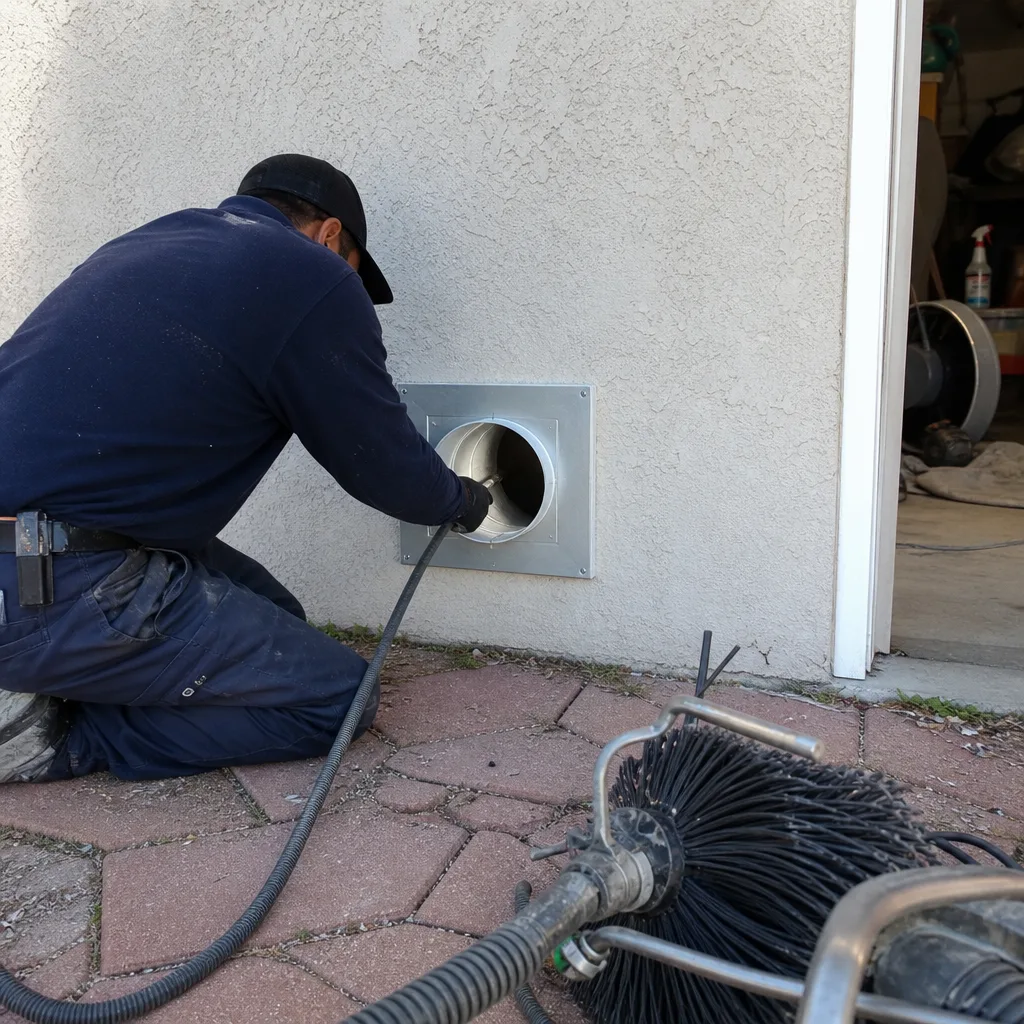
While the HVAC system rests, address the dryer vent, which operates year-round regardless of heating or cooling demand. Lint accumulation in dryer vents is the leading cause of residential dryer fires in the United States. As a Dryer Vent Cleaning in Camarillo service, this is work we pair with annual duct maintenance for clients who want everything handled in one visit.
This calendar reflects Camarillo’s actual environmental patterns, not a standardized four-season template. Following it means you’ll address issues before they become problems rather than responding to symptoms after they emerge.
Signs Your Ducts Need Attention Between Scheduled Cleanings
Even with a solid seasonal schedule, issues can develop. Knowing the warning signs means you can catch problems before they become costly. Watch for these specific indicators:
- Visible dust accumulation on supply registers within a week of cleaning: This means dust is being distributed from inside the duct run, not entering through the register when the system is off.
- Uneven airflow between rooms: A room that used to cool adequately but now struggles suggests a disconnected or collapsed duct section, not a failing HVAC system. Air balancing problems can sometimes be resolved with simple duct repair rather than equipment replacement.
- Musty odor that appears only when the system runs: This is the classic sign of microbial growth inside ductwork, often associated with the condensation issues discussed in the marine layer section above. It won’t resolve by changing the filter.
- Fresh dust visible on the return grille surface: Return grilles pull air in. If the grille itself is coated in dust, the material that’s coating it has already passed into the system, and what remains on the grille is evidence of how much has accumulated downstream.
- Popping or ticking sounds from ductwork during operation: Heat expansion and contraction causes metal ducts to flex, but persistent popping can indicate loose supports, failing tape connections, or sections that have separated and are being held in place only by pressure differences.
- Higher cooling bills without a change in usage: Leaky ductwork forces the system to run longer to maintain temperature, and that extended runtime shows up on energy statements. A well-sealed duct system can reduce cooling costs significantly.
These signs don’t always mean you need a full cleaning. Sometimes they indicate a repair issue that a focused service call can resolve. Either way, ignoring them means the situation worsens, and the eventual repair cost exceeds what early intervention would have required.
Common Mistakes to Avoid
Through years of working in Camarillo homes, certain mistakes appear repeatedly. Here are the most common and the most costly:
- Scheduling cleaning in July: If you wait until peak cooling season, you’re dealing with an overwhelmed system and peak demand for service. April or November cleaning gives you the same result with more scheduling flexibility.
- Cleaning before Santa Ana season instead of after: A September cleaning followed by strong October winds means you’ll need another cleaning in November. If you’m going to clean once in the fall, do it after the wind season has peaked.
- Ignoring the dryer vent because “it’s separate”: The dryer vent is part of the home’s overall ventilation system. Lint accumulation is a fire hazard that operates independently of the HVAC calendar. Annual dryer vent cleaning is the minimum standard, and many Camarillo homeowners benefit from twice-yearly service if they run heavy laundry loads.
- Using the wrong filter grade for your system: A MERV 13 filter in a system designed for MERV 8 can restrict airflow enough to cause frozen coils in summer. Consult with a professional before upgrading filtration beyond manufacturer recommendations.
- Assuming new homes have clean ducts: New construction, including many of the developments throughout Camarillo, is notorious for construction debris in ductwork. Drywall dust, sawdust, and even paint chips find their way into the system during construction. A new home is often a strong candidate for a professional duct cleaning before move-in.
- Treating duct cleaning as a one-time event: Ducts are a system, not a static surface. They collect material continuously, and they need periodic professional attention, just like any other home system. The question isn’t whether to clean again, but how the interval should be set based on your home’s specific conditions.
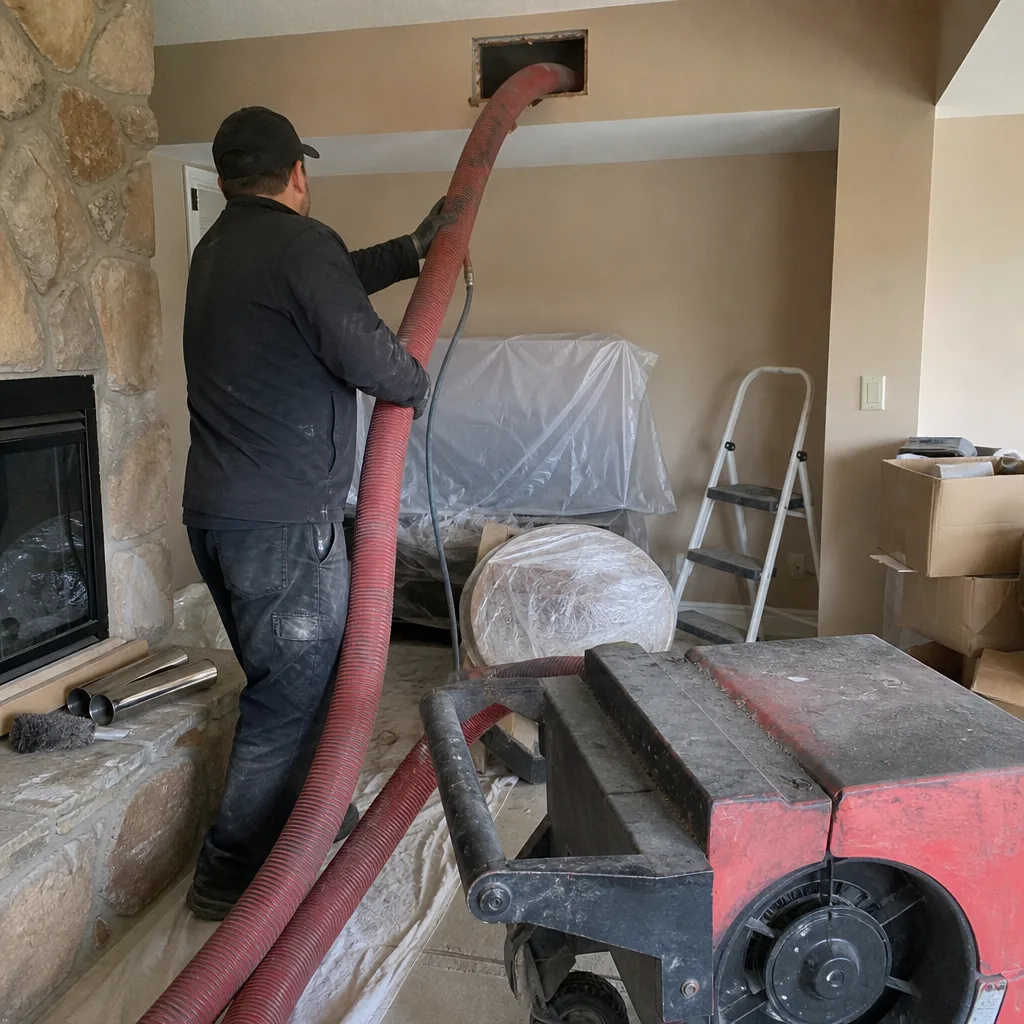
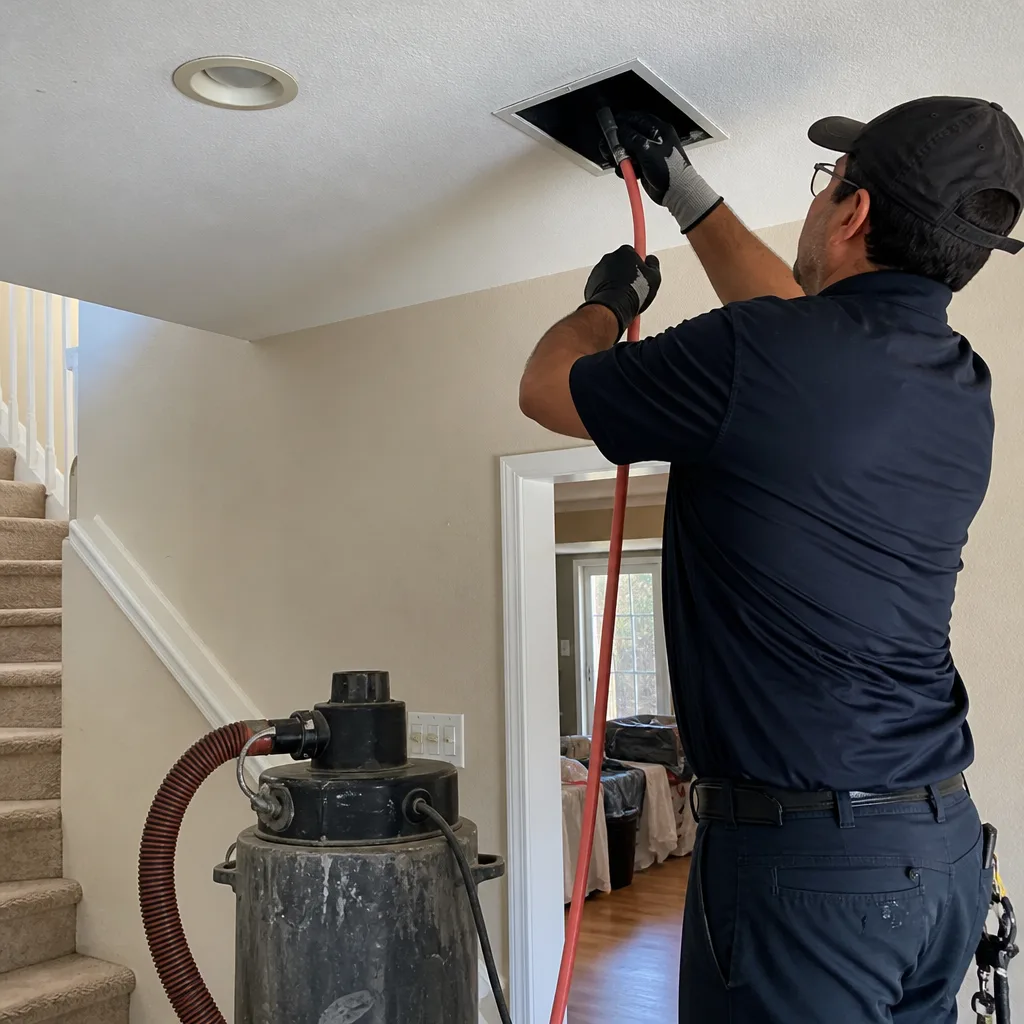
- Trusting a low-cost “vent cleaning” service that uses shop-style equipment: Equipment matters. The difference between a professional duct cleaning using Rotobrush contact-cleaning systems and a bargain service using a standard vacuum is the difference between removing material from duct walls and simply moving it around. A cheap service can actually dislodge more material than it removes, worsening air quality temporarily.
When to Call a Professional
Certain situations warrant professional attention immediately rather than during a scheduled maintenance window. If you notice musty odors from the supply registers, visible mold growth on or inside any duct surface, significant airflow loss in one or more rooms, or an unexplained increase in dust accumulation throughout the house, these aren’t issues that will resolve with a filter change. A collapsed duct section, a disconnected return run, or microbial growth inside flex duct all require professional diagnosis and repair.
If you’re unsure whether your situation requires professional intervention, the most efficient path is to call and describe what you’re observing. Duct Cleaning Camarillo offers free estimates in Camarillo, and we can often determine over the phone whether a service call is warranted based on your description. Call (833) 593-6403 for an honest assessment before spending money on a full service call.
Frequently Asked Questions
Most Camarillo homes benefit from professional duct cleaning every 3 to 5 years, with more frequent service needed for homes with pets, recent renovations, smokers, or occupants with significant allergy or asthma symptoms. Homes that go through heavy Santa Ana wind seasons with visible dust accumulation inside may need more frequent attention. Call (833) 593-6403 for an assessment based on your home’s specific conditions.
Santa Ana wind events from late September through November drive fine particulate into homes through every unsealed opening, and that material settles directly into duct systems. Cleaning after the Santa Ana season removes this wind-borne debris before it recirculates through holiday season heating cycles. A spring cleaning primarily addresses winter accumulation and summer preparation, but the fall contamination event is more severe in Camarillo’s specific climate.
Yes, the marine layer pattern in Camarillo creates conditions where condensation forms on cool duct surfaces, and sustained dampness inside unsealed or poorly insulated duct sections supports microbial growth. Flex duct systems in unconditioned attics are especially vulnerable. Proper sealing, adequate insulation, and whole-home humidity management with Aprilaire systems can prevent this cycle.
Whole-system duct cleaning in Camarillo typically costs between $400 and $800 for an average single-family home, depending on system size, accessibility, and contamination level. See our Air Duct Cleaning Cost Breakdown: The Camarillo Homeowner’s Reference for 2026 for detailed pricing factors. Homes with multiple systems, extensive flex duct runs, or access challenges may run higher. The price covers the entire duct system, not per-vent pricing, and a professional assessment should provide an exact quote before work begins. Call (833) 593-6403 for a free estimate.
Most HVAC service calls focus on the equipment itself: the furnace, the coil, the blower. Duct cleaning specifically addresses the distribution system, which sits between the equipment and your living spaces. Professional duct cleaning uses Rotobrush contact-cleaning technology that physically agitates duct walls while simultaneously vacuuming, removing adhered material that simple air movement cannot dislodge. An HVAC technician who “cleans the system” typically addresses only the equipment and ignores the duct runs.
Duct cleaning removes the accumulated wind-driven particulate that has settled inside the system, which reduces the amount of irritant material being recirculated through the home during subsequent heating or cooling cycles. It’s not a substitute for appropriate filtration or medication, but a clean duct system means the air handling system isn’t actively redistributing Santa Ana dust throughout the home. Many Camarillo residents combine duct cleaning with higher-grade filtration using Honeywell or Aprilaire media products for maximum benefit.
Yes, this is a core advantage of our Air Duct Repair in Camarillo service. During a cleaning, our technicians inspect the entire system for structural issues, disconnected sections, leaks, and damage. Many repairs can be completed during the same visit, saving you the cost and scheduling burden of a separate service call. The find-it-and-fix-it approach means issues that would otherwise go unaddressed get resolved while the system is already open and accessible.
The Bottom Line
Your duct system in Camarillo faces two distinct seasonal challenges: wind-driven particulate infiltration from Santa Ana events in the fall, and extended cooling-season recirculation that spreads accumulated material throughout the home all summer. The solution isn’t a single annual cleaning timed to some arbitrary date. It’s a calendar-aware approach that cleans after major contamination events, repairs during low-demand periods, and filters effectively throughout the year. Duct Cleaning Camarillo has served local homeowners since 2013 with professional equipment from Rotobrush, Nikro, and Abatement Technologies, handling cleaning, repair, and dryer vent safety in a single proven approach. Call (833) 593-6403 to schedule an assessment based on your home’s unique conditions, or visit our main page to learn more about what’s inside your ducts.
Written by the team at Duct Cleaning Camarillo, serving Camarillo since 2013.
See the difference
 Before
 After
 Before
 After
 Before
 After