
Last updated November 2, 2026
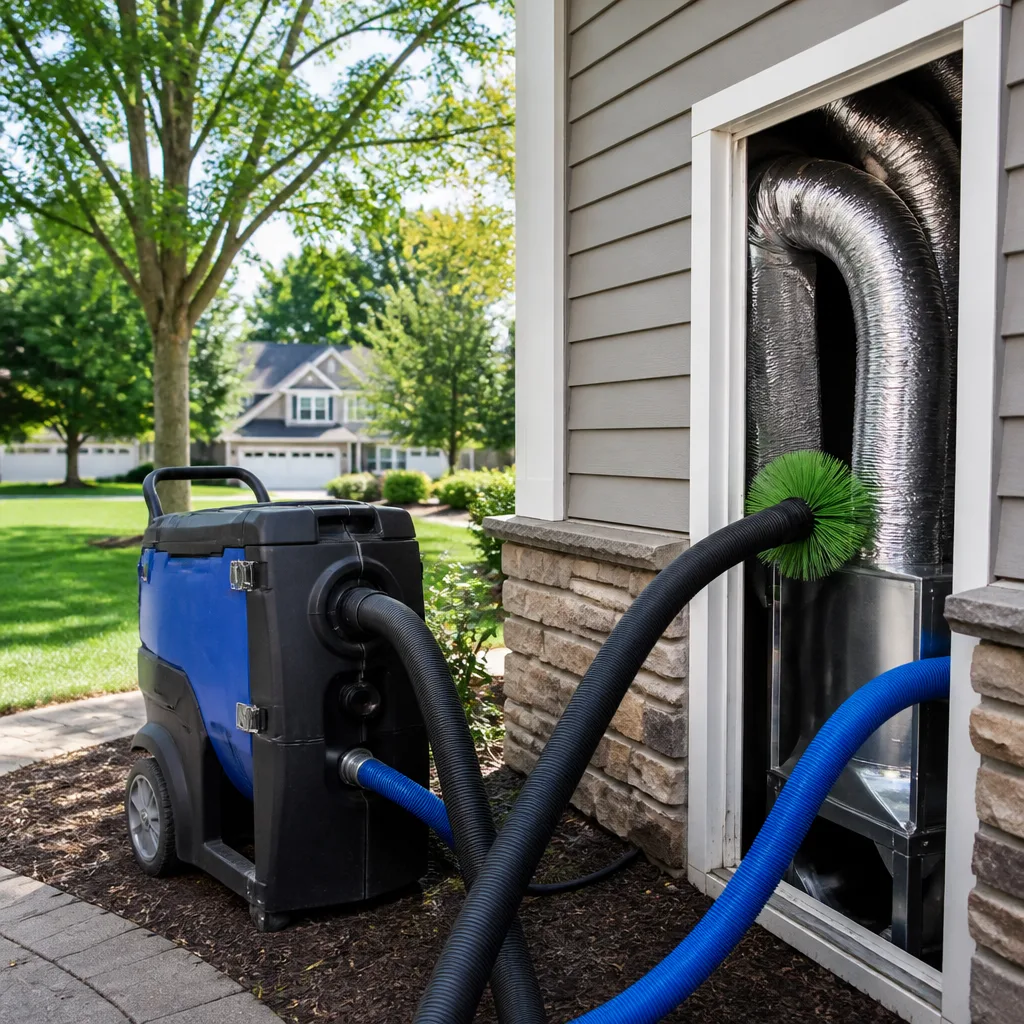 Whole-home duct cleaning
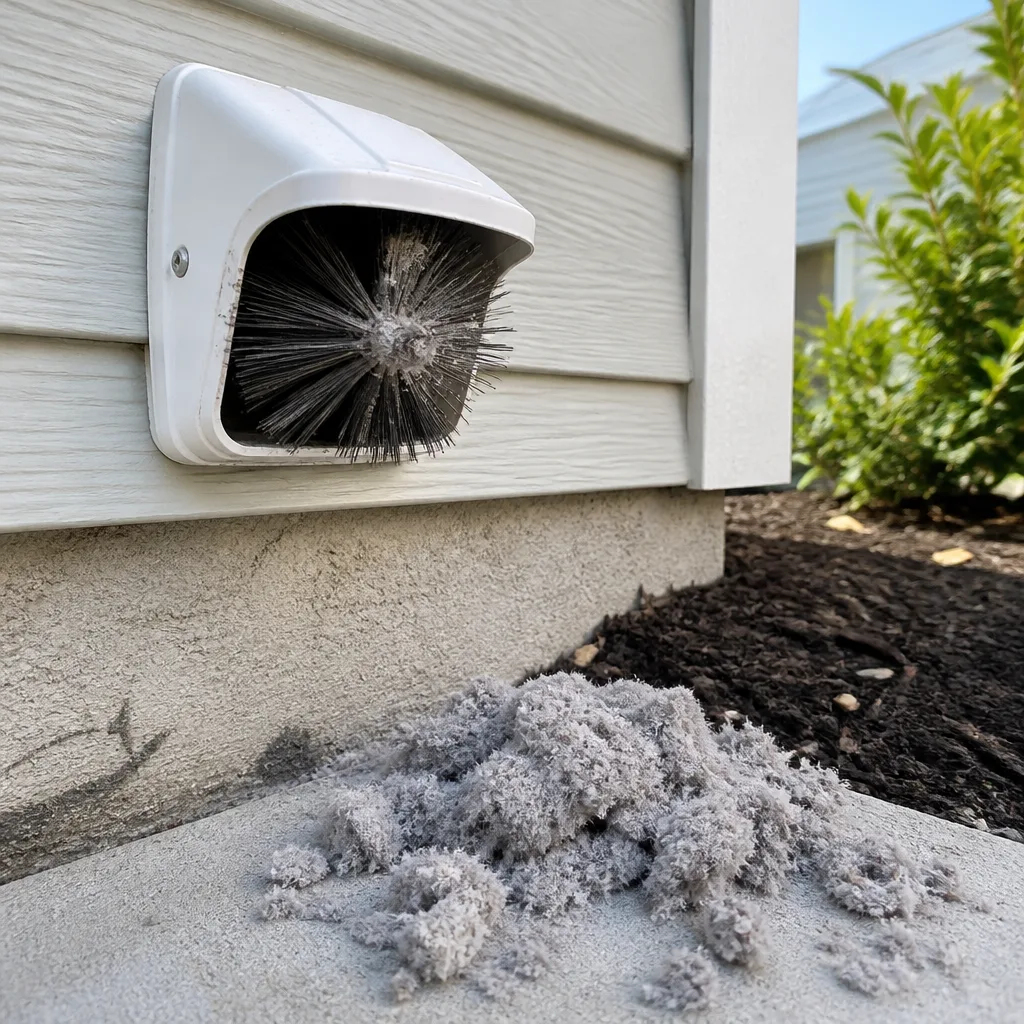 Dryer vent cleaning
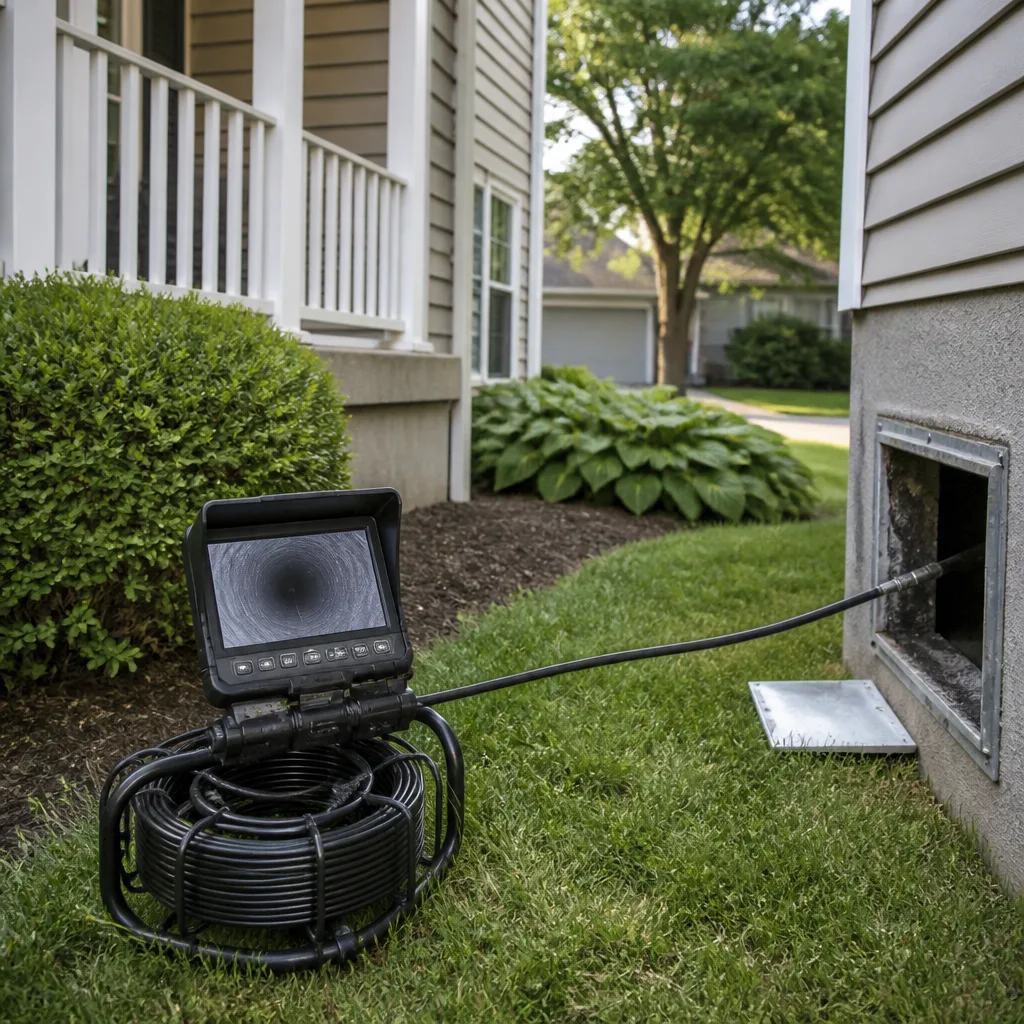 Camera inspection
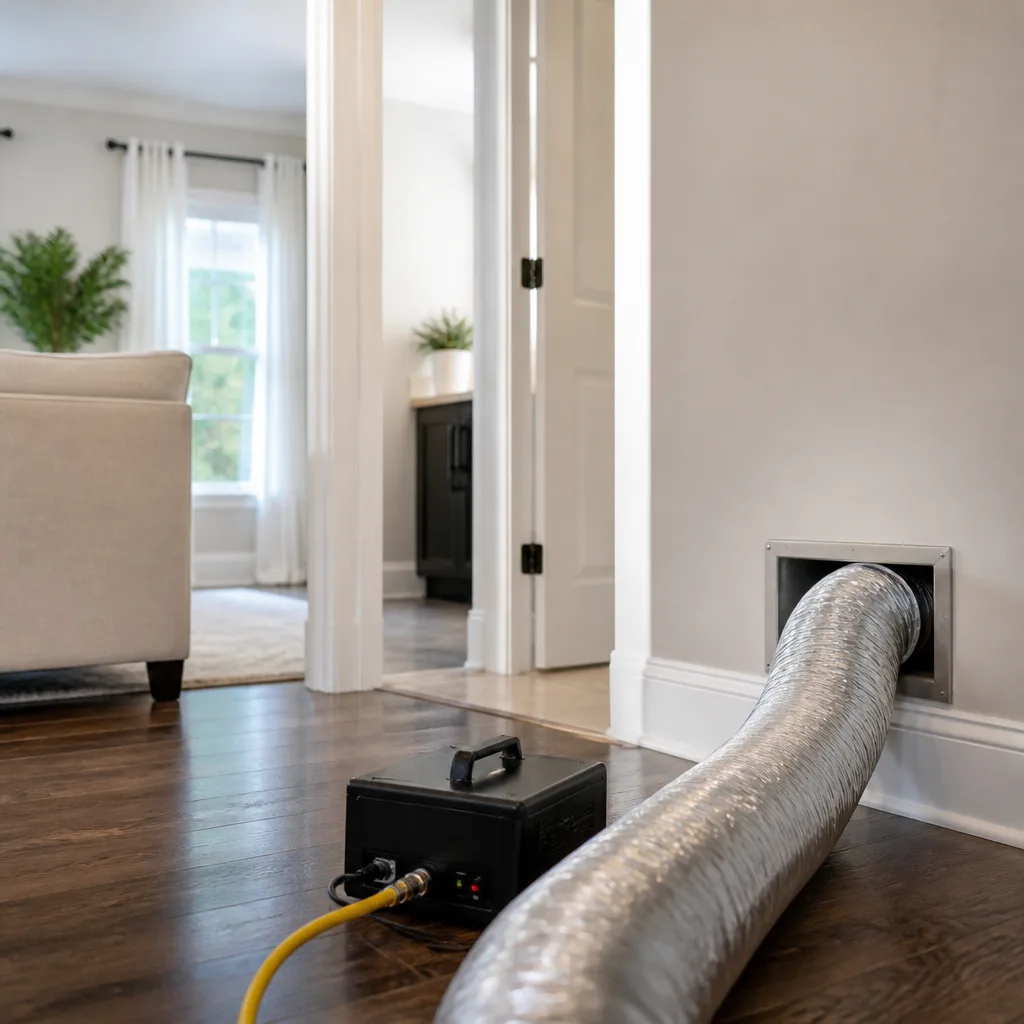 Sanitizing & deodorizing
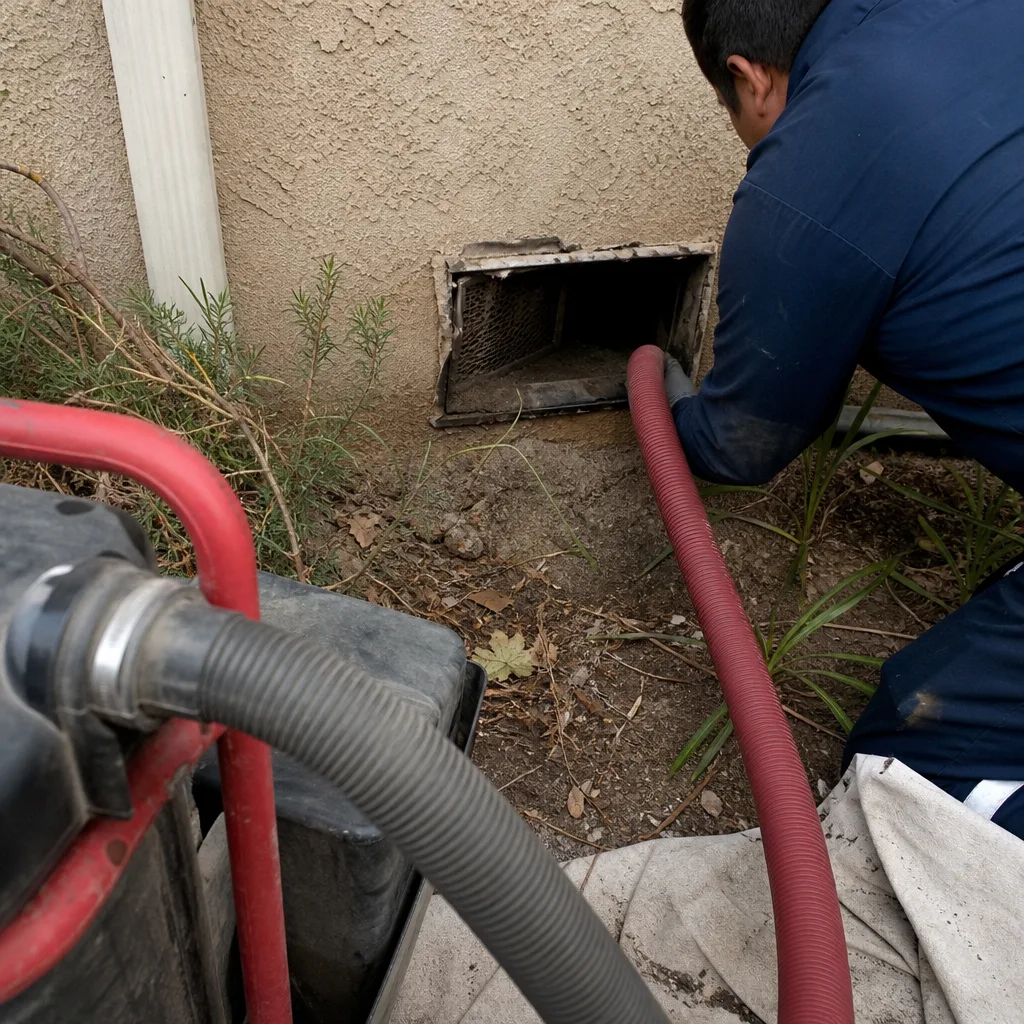
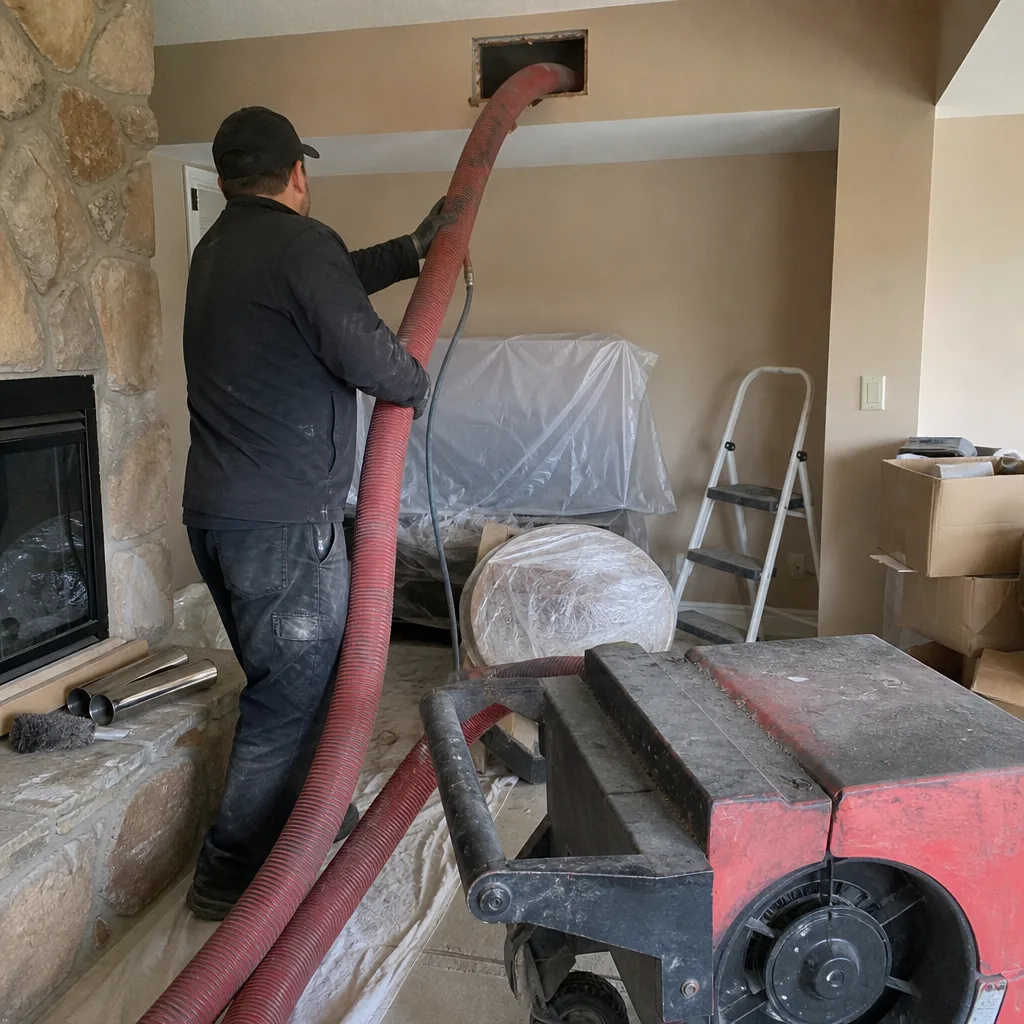
Whole-system duct and dryer vent check with before-and-after photos - you see exactly what came out of your vents
That "$99 whole-house special" is a bait ad - the real number appears once they are in your hallway, or the "clean" is a shop-vac at the register. We photograph the inside of your ducts before and after instead.
Air Duct Cleaning Warning Signs: A Camarillo Homeowner’s Reference Guide
Here’s a counterintuitive fact from our years of working inside Camarillo duct systems: the loudest warning signs are rarely the ones that matter most. A slightly noisy return is usually just a loose grille. But a faint, intermittent musty odor that appears only when the AC kicks on in August? That’s often the first indicator of microbial growth deep in a trunk line where condensation pools against cool metal. This guide walks you through the complete symptom map, from smell to airflow to visible debris, so you can tell the difference between a dirty system, a damaged system, and a system that’s about to cause real problems. We’ve tailored it specifically to the Duct Cleaning Camarillo home service area, where coastal humidity and fall Santa Ana conditions create a unique set of duct behaviors.
Quick Answer
The most common air duct cleaning warning signs in Camarillo are: visible dust or debris blowing from supply registers, a musty or burning odor when the HVAC runs, rooms that stay noticeably warmer or cooler than the rest of the house, allergy symptoms that worsen indoors, and dust returning to surfaces within 48 hours of cleaning. If you notice two or more of these together, the issue likely sits inside the ductwork itself, not the HVAC unit, and a professional inspection is warranted.
Styles & brands we work with
- Whole-home duct cleaning
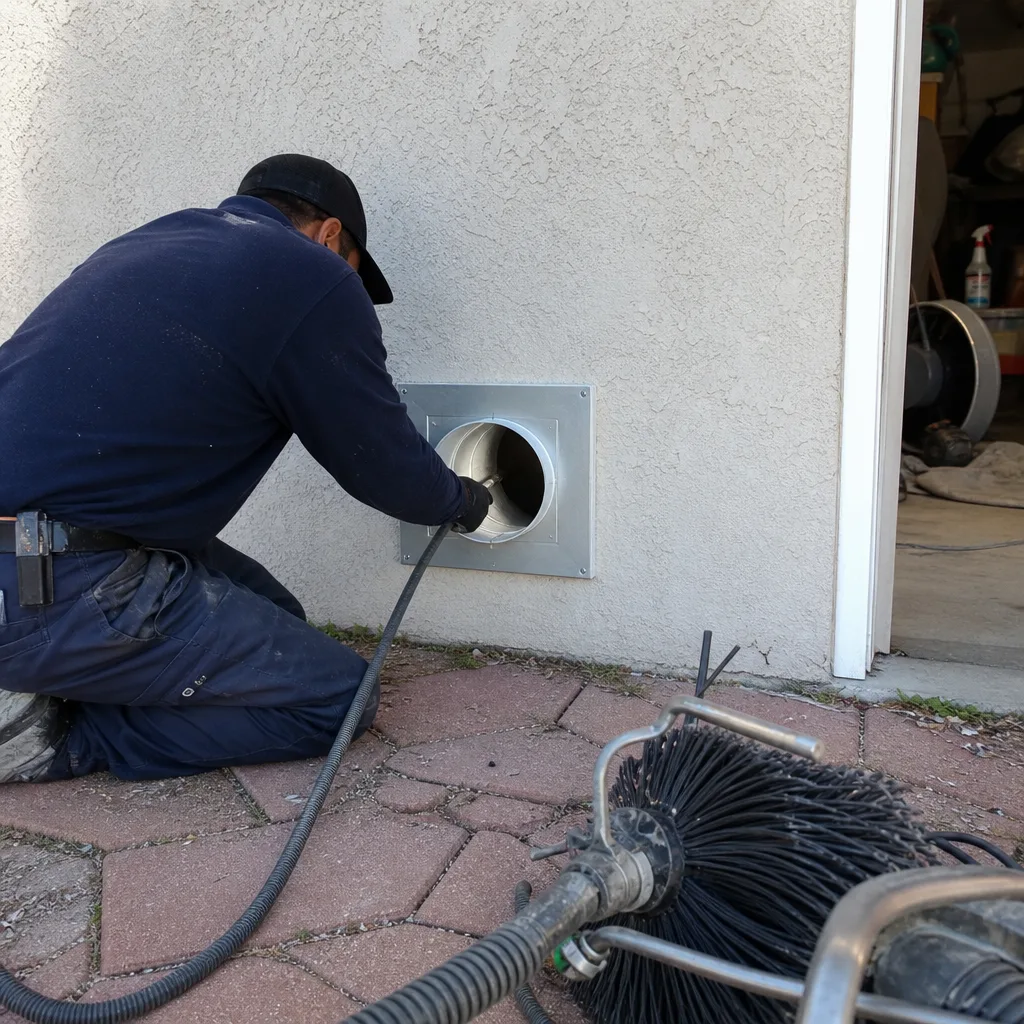
- Dryer vent cleaning
- Camera inspection
- Sanitizing & deodorizing
Table of Contents
- Odor Taxonomy: Identifying Smells by When and Where They Appear
- Airflow Mapping: The Tissue Paper Test and What It Reveals
- Visible Debris at Registers vs. Hidden Contamination in Trunk Lines
- Allergy Flares and Indoor Air Quality: When Your Ducts Are the Trigger
- Post-Renovation and Post-Remodel Flags: Drywall Dust Behaves Differently
- When Cleaning Isn’t Enough: Signs of Physical Duct Damage
- Crawlspace and Attic Duct Issues Specific to Camarillo Homes
- Common Mistakes to Avoid
- When to Call a Professional
- Frequently Asked Questions
Odor Taxonomy: Identifying Smells by When and Where They Appear
Most homeowners lump every strange HVAC smell into one category: “something’s wrong.” But different odors point to different sources, and getting this diagnosis right before scheduling service saves you from paying for a solution that doesn’t address the actual problem. In Camarillo, where summer marine layers keep morning humidity high and fall Santa Anas drive dry heat through homes, we see a predictable pattern of odor complaints tied to specific times of year.
Musty or Moldy Smell That Gets Stronger When AC Runs
This is the most common duct-related odor we encounter. If you notice a damp, earthy smell that intensifies within thirty seconds of the air conditioner starting, the source is almost certainly inside the ductwork, not the HVAC unit itself. What’s happening: cold air moving through metal ducts causes condensation to form on interior walls, especially in uninsulated sections running through warm attics or crawlspaces. That moisture traps dust, which feeds microbial growth. The smell cycles on and off with the AC because the airflow is what pushes those odor molecules into your living space.
In Camarillo’s climate, this issue is particularly common in single-story homes with ducts running through unconditioned attics, where the temperature differential between cold supply air and hot attic air is extreme during summer afternoons.
Burning Smell When Heat First Kicks On in October
Here’s the hook: not every October burning smell is “dust on the heat exchanger.” That’s the standard explanation you’ll get from a general HVAC tech, and sometimes it’s correct. But when debris has accumulated in the plenum or supply trunk over the summer, the first heat cycle of fall can char that material. The smell is sharper and more acrid than the standard “dusty burn-off” odor, and it lingers longer, sometimes for several heating cycles.
The distinction matters because the service response is completely different. Dust on the heat exchanger burns off in minutes and requires nothing. Charred debris inside ductwork means you have a fuel load sitting in your supply lines, and it needs physical removal, not patience. If the burning smell persists beyond the first two or three heating cycles of the season, that’s a duct issue.
Rodent or Ammonia Odor That’s Stronger at Night
Rodent contamination has a distinct smell: a sharp, ammonia-like tang mixed with a greasy, animal musk. It’s most noticeable at night because that’s when rodents are active in crawlspaces and attics, and their activity stirs contaminants into the air. If the smell seems to drift from specific registers rather than the whole house, you likely have localized contamination in one duct run or branch line.
This is not a cleaning-only situation. Rodent contamination requires removal of nesting material and droppings, followed by sanitization, and often duct repair if the animals have chewed through flex duct. Camarillo’s older neighborhoods, particularly those with mature landscaping close to foundations, see this issue in crawlspace-adjacent duct runs.
Chemical or Fiberglass Smell That’s Constant Year-Round
A persistent chemical smell that doesn’t change with the seasons points to duct liner degradation. Older fiberglass-lined ducts, common in homes built before 1990, shed fibers and off-gas volatile compounds as the liner breaks down. The smell can be described as “plasticky,” “resinous,” or “like old fiberglass.”
This is a structural problem, not a dirt problem. Cleaning may temporarily reduce the odor, but the only permanent fix is removal and replacement of the liner or the affected duct sections. That’s why Air Duct Repair in Camarillo is a core part of what we do. We don’t just clean around structural failure; we fix it.
A Simple Odor Diagnostic Table
| Odor Type | When It Appears | Most Likely Source | Service Response |
|---|---|---|---|
| Musty, earthy | When AC runs | Microbial growth on moist duct walls | Professional cleaning + address moisture source |
| Acrid burning | First heat cycles of fall | Charred debris in plenum or trunk line | Physical debris removal |
| Ammonia, musky | Night, localized registers | Rodent contamination in specific ducts | Removal + sanitization + damage inspection |
| Chemical, fiberglass | Constant, year-round | Deteriorating duct liner | Duct repair or replacement |
If you’re still uncertain which odor you’re dealing with, write down when you smell it, where you smell it, and what the HVAC is doing at that moment. That simple log gives us half the diagnosis before we even arrive.
Airflow Mapping: The Tissue Paper Test and What It Reveals
Uneven airflow gets blamed on thermostats, zoning systems, and even furniture placement far more often than it gets blamed on ducts. But the duct system is the circulatory system of your home’s HVAC, and when certain rooms run consistently warm in summer or cold in winter, the ducts are usually where the resistance lives.
Here’s a test any Camarillo homeowner can run in fifteen minutes:
- Set your thermostat fan to “ON” so air circulates continuously regardless of heating or cooling demand.
- Take a single-ply tissue (the cheap kind works best) and hold it near each supply register in the house, one room at a time.
- Note how far the tissue deflects at each register. A strong, consistent deflection means good airflow. A limp, barely-moving tissue means restricted flow.
- Compare rooms. If the tissue deflects strongly in the living room but barely moves in a back bedroom, you’ve found a flow imbalance.
What the results mean: Flow restriction in a single room usually points to a kinked or collapsed flex duct, a disconnected joint, or a damper that’s been pushed closed. Flow restriction across an entire floor or the whole house points to system-level issues: an undersized return, a clogged filter, or a heavily contaminated duct system creating resistance.
We see a distinct Camarillo pattern in homes built during the 1970s and 1980s construction boom, where original rigid metal ductwork was never properly sealed at the joints. Those gaps leak conditioned air into attics and crawlspaces, which means less pressure at the registers. Your HVAC unit is working hard; it’s just not delivering. The fix is often proper sealing or section replacement, which is exactly the kind of finding we address during Air Duct Cleaning in Camarillo service visits, not with a separate contractor later.
Visible Debris at Registers vs. Hidden Contamination in Trunk Lines
Clean-looking registers are the most misleading indicator in this entire diagnostic process. We’ve cleaned ducts in Camarillo homes where the register covers were spotless, and the interior trunk lines looked like someone had emptied a vacuum bag inside them. The register is the last thing air touches before it enters your room. Everything upstream is what actually determines what’s circulating through your house.
What visible debris at the register actually tells you:
- Gray, fuzzy material clinging to the register face: This is usually accumulated dust and dander that has been catching on the metal grille as air passes through. It means the air leaving the duct is carrying particulate load. The source is upstream.
- Drywall dust or white powder: In a home that’s never been renovated, white dust at a register suggests duct sealant breakdown or drywall degradation inside the wall cavity around the register boot. In a renovated home, it’s renovation dust that got pulled into the return during construction and is now recirculating.
- Fibrous, glass-like particles: This is duct liner shedding. It looks like small, thin fibers that catch the light. Do not ignore this. It means the interior insulation inside your ducts is degrading and being blown into your living space.
- Dark, sooty streaks: This is typically candle soot or cooking residue that’s been drawn into the return side and redistributed through the supply side. It’s persistent and requires physical cleaning to remove from duct walls.
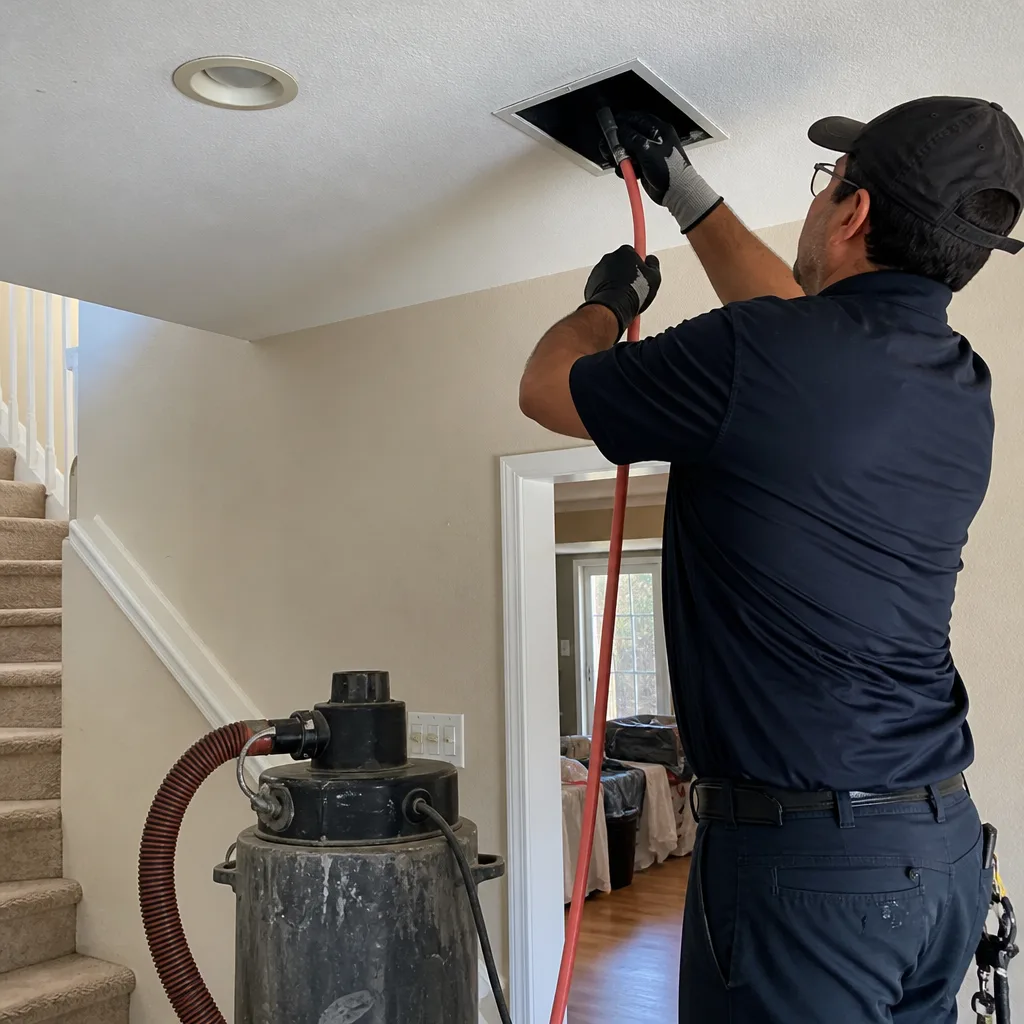
None of these findings require you to guess. During an inspection, we run a camera into the trunk lines and branch runs to see what’s actually there. And here’s the thing: what we find is often dramatically different from what the homeowner expected based on what they could see at the registers.
Allergy Flares and Indoor Air Quality: When Your Ducts Are the Trigger
Camarillo sits in Ventura County, where seasonal pollen from coastal sage scrub, oak, and grass contributes to allergy symptoms that many residents just accept as “living here.” But indoor allergens behave differently from outdoor ones, and the distinction is observable if you know what to look for.
The indoor allergen signature: Symptoms that spike within thirty to sixty minutes of arriving home, worsen overnight, and improve noticeably when you leave the house for several hours point to an indoor source. If your ducts are distributing dust, pet dander, or mold spores, they’re acting like a concentration system, accumulating particulates during the day and releasing them every time the fan cycles on.
Here’s what often happens in a Camarillo home with contaminated ducts:
- The HVAC kicks on, and within minutes, the air in the house changes quality. It smells different. It feels heavier.
- Dust settles on horizontal surfaces fastest in rooms closest to the air handler, then spreads outward.
- Allergy symptoms follow the same pattern: worst in rooms served first by the supply trunk, weaker in far rooms.
These symptoms aren’t proof of duct contamination by themselves, but they’re strong correlating signals. Combined with any of the odor or debris indicators above, the ducts are the logical next place to look.
In our experience working in Camarillo, we’ve seen homes where the HVAC filter was changed religiously every month, yet dust continued to accumulate within 48 hours of cleaning. The filter wasn’t the problem. The ducts were releasing stored particulate load every time the system ran. The only effective response is physical removal of that stored material using contact-based cleaning equipment like Rotobrush systems, which agitate duct walls while vacuuming simultaneously.
Post-Renovation and Post-Remodel Flags: Drywall Dust Behaves Differently
If you’ve had any renovation work done in Camarillo, whether it was a kitchen remodel, a room addition, or even new flooring, your ducts absorbed some of that debris. This is not a judgment on the contractor; it’s physics. Drywall dust, sawdust, and construction particulates are fine enough to stay suspended in air, and any HVAC operation during construction pulls them into the return side.
Here’s why renovation dust matters more than household dust:
- Drywall dust is alkaline and hygroscopic, meaning it absorbs moisture. Inside ducts, it cakes onto walls and becomes harder to remove than typical household dust.
- Construction debris often includes larger fragments: paint chips, bits of insulation, small pieces of plaster. These can become lodged in register boots, dampers, and transitions, creating permanent flow restrictions.
- Sanding dust from hardwood floor refinishing is extremely fine and penetrates deep into return ducts, where it will recirculate for months if not physically removed.
The right response after a renovation is mechanical agitation, not just high-pressure air. Air-only methods move loose dust around, but dust that has been compacted by moisture or mixed with paint residue requires physical brushing. That’s precisely why we run Rotobrush contact-cleaning systems on every air duct cleaning job in Camarillo: the rotating brush head dislodges material that a blast of air alone will not move, while the vacuum captures it at the point of contact.
Post-renovation timeline that matters: If construction finished more than three months ago and you’re still finding fine white dust on surfaces near registers, the ducts are holding and redistributing that material. It will not resolve on its own.
When Cleaning Isn’t Enough: Signs of Physical Duct Damage
There’s a limit to what cleaning can solve. Some warning signs point to physical failure inside the duct system, and attempting to clean around structural damage wastes money and leaves the root problem in place. Knowing when to clean and when to repair is one of the biggest advantages of working with a company that does both.
Signs that point to physical duct damage rather than contamination:
- Airflow that’s okay in one room and dead in the adjacent room, with no closed dampers. This often means a disconnected section or a collapsed flex duct, not a dirty one.
- A sudden increase in dust in one specific room only. A disconnected return or supply joint can pull attic or crawlspace air directly into that room. The dust is coming from outside the conditioned envelope.
- Loud whistling or flapping sounds from a register. Physical gaps in the duct wall create air turbulence, which produces audible noise. This is a breach, not buildup.
- Noticeably higher energy bills in summer with no change in usage patterns. Leaking ducts dump cooled air into the attic or crawlspace, forcing the HVAC to run longer cycles to hold temperature. Over a Camarillo summer, that adds up.
- Rooms that smell like attic or crawlspace. If a supply duct is pulling air from an unconditioned space through a gap or disconnected joint, that space’s smell follows.
These findings require air duct repair, not just cleaning. In our experience, the most common repair issues in Camarillo homes are disconnected sheet-metal joints in older rigid systems, kinked flex duct in retrofitted attics, and deteriorated duct-board plenums. The good news is that when we find these issues during a cleaning inspection, we can fix them in the same visit. You don’t need to coordinate a second contractor.
Crawlspace and Attic Duct Issues Specific to Camarillo Homes
Camarillo’s housing stock includes a significant number of homes built between the 1960s and the 1980s, many of which feature raised foundations with crawlspaces and unconditioned attics. That construction style creates specific duct challenges that homeowners in newer, slab-foundation homes don’t face.
Crawlspace duct problems we see regularly in Camarillo:
- Falling insulation on flex duct. Crawlspace humidity breaks down the outer vapor barrier on flexible duct. Once the insulation gets wet, it sags, separates from the inner liner, and eventually falls away, leaving the duct uninsulated. This causes condensation, which causes mold, which causes the musty smell we described earlier.
- Rodent access. Crawlspace vents with damaged screens invite rodents in, and flex duct is easily chewed through. Once an animal is inside the duct, it leaves droppings and urine in the air stream.
- Standing water under ducts. Camarillo’s clay-heavy soil drains slowly in some neighborhoods. Water pooling under a crawlspace after winter rains raises humidity around the ducts, accelerating the condensation cycle.
Attic duct problems:
- Crushed flex duct from storage. Attics get used for storage. Boxes get set on top of flexible ducts. The duct collapses, airflow drops, and you notice it as a warm bedroom in July.
- Pulled-apart connections from HVAC service work. If a tech works on the air handler or condenser and moves duct runs aside, connections can separate. The gap may not be visible until you look for it.
- Disconnected bathroom exhaust fans venting into the attic. This one isn’t strictly a duct problem, but it affects the duct system indirectly. When a bathroom fan dumps humid air into the attic, that moisture surrounds the ductwork and accelerates condensation on the outsides of supply runs.
None of these conditions announce themselves loudly. They show up as symptoms: a room that never cools properly, a smell that comes and goes, dust that won’t stop accumulating. When those symptoms appear, the ductwork is the right place to look.
Common Mistakes to Avoid
- Blaming the HVAC unit for every smell. A musty smell that appears when the AC runs is far more likely to be in the ducts than in the unit itself. Replacing HVAC components won’t fix contaminated ducts. Get the ducts inspected before you authorize equipment changes.
- Ignoring a burning smell because it “goes away.” Charred debris in a plenum may stop smelling after several heat cycles, but the fuel source is still there. The next season, it smells again when heating resumes. Until the debris is physically removed, the cycle repeats.
- Assuming clean registers mean clean ducts. The register is the exit point, not the storage area. Heavily contaminated trunk lines can exist behind perfectly clean-looking vents. This is the most common misdiagnosis we see in Camarillo homes.
- Responding to renovation dust by running the HVAC more to “blow it out.” This distributes fine drywall dust deeper into the system and throughout the house. The correct response is physical cleaning with agitation, not increased air circulation.
- Treating visible flex-duct damage as a cleaning job. A collapsed or kinked section of flex duct will not be fixed by cleaning. It needs repair or replacement. If airflow is dead in one room, suspect structural damage first.
- Delaying dryer vent cleaning because “it’s just lint.” Lint is the leading cause of dryer fires, and a restricted vent also makes the dryer run longer and hotter, which shortens its life. Dryer Vent Cleaning in Camarillo is both an air quality and a fire-safety service.
- Assuming every duct cleaning company uses the same equipment. They don’t. Contact-based cleaning using Rotobrush or similar mechanical agitation is significantly more effective than air-only methods at removing adhered particulate from duct walls.
When to Call a Professional
Call a professional when the warning signs persist after you’ve done the basic homeowner checks. If you’ve changed the filter and the dust keeps returning, if the musty smell comes back every time the AC cycles, if one room stays hot no matter how you adjust the thermostat, or if you’ve spotted visible debris inside a register boot, these are not problems that resolve on their own. The duct system needs to be seen, and that means a camera inspection and a professional assessment.
In Camarillo, Duct Cleaning Camarillo offers free estimates for duct inspection and cleaning. We’ll look at what’s actually inside your ducts, tell you whether cleaning is the right response or whether repair is needed, and give you a flat price before any work starts. Call (833) 593-6403 to schedule.
Frequently Asked Questions
Most Camarillo homes benefit from professional air duct cleaning every 3 to 5 years, but that interval shortens to every 2 to 3 years if you have pets, live in a dusty neighborhood, or have recently completed renovations. Homes with crawlspace ducting and older rigid metal systems often need attention sooner because those configurations are more susceptible to contamination. Call (833) 593-6403 and we’ll help you assess your specific situation.
Contact cleaning uses a rotating brush head that physically touches and agitates the duct walls while a vacuum removes debris simultaneously. Air-only methods push compressed air through the ducts to stir up dust. Contact cleaning removes adhered material that air alone cannot dislodge, which is why we use Rotobrush systems. Call (833) 593-6403 for an estimate on contact cleaning for your Camarillo home.
Yes. Ducts can act as a reservoir for dust, pet dander, pollen, and mold spores, releasing those particulates into living spaces every time the HVAC fan cycles on. If allergy symptoms improve when you leave home and worsen shortly after returning, the indoor environment is the likely trigger, and the duct system is a primary suspect. Call (833) 593-6403 to discuss an inspection.
Cleaning addresses accumulated dirt, dust, and debris. Repair addresses structural problems like disconnected joints, collapsed flex duct, leaking plenums, and deteriorating liners. If airflow is dead in one room, if you hear whistling from a register, or if you smell attic or crawlspace air coming through the vents, you likely need repair. We offer both, so the diagnosis can happen in a single visit. Call (833) 593-6403 to schedule.
The musty smell when AC runs typically comes from condensation that forms inside cool metal ducts, which then hosts microbial growth on accumulated dust. The smell reaches your living spaces when airflow pushes odor molecules through the registers. Cleaning removes the microbial load, but if the moisture source isn’t addressed, the problem can return. We’ll point out the moisture source during inspection. Call (833) 593-6403.
A clogged dryer vent restricts airflow, causing the dryer to run hotter and longer. That excess heat accelerates lint breakdown and can ignite a fire. It also means the dryer can’t properly exhaust moisture, which raises indoor humidity. Dryer vent cleaning in Camarillo is both a fire-safety and an air-quality service. Call (833) 593-6403 to book both duct and dryer vent service.
The Bottom Line
The warning signs that matter most are the ones that repeat. A musty smell that returns every time the AC cycles. Dust that reappears within two days of wiping surfaces. A bedroom that never reaches temperature no matter how the thermostat is set. A burning smell that comes back every October. These are duct system symptoms, and they respond to inspection, cleaning, and repair, not to ignoring them. Camarillo’s coastal climate and aging housing stock make professional duct maintenance a practical necessity for many homes. If you’re seeing two or more of the signs in this guide, it’s time to look inside the ducts. That’s what we do.
Written by the team at Duct Cleaning Camarillo, serving Camarillo since 2013.
See the difference
 Before
 After
 Before
 After
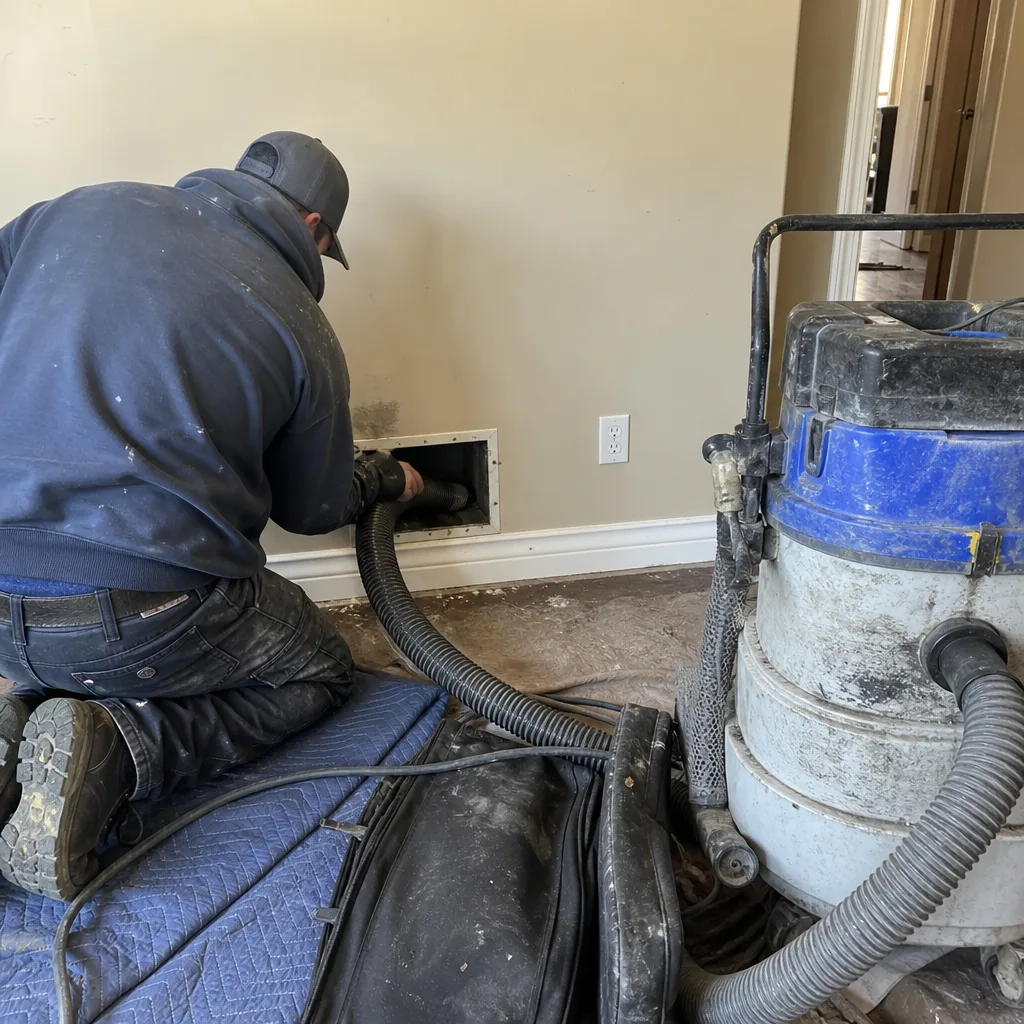 Before
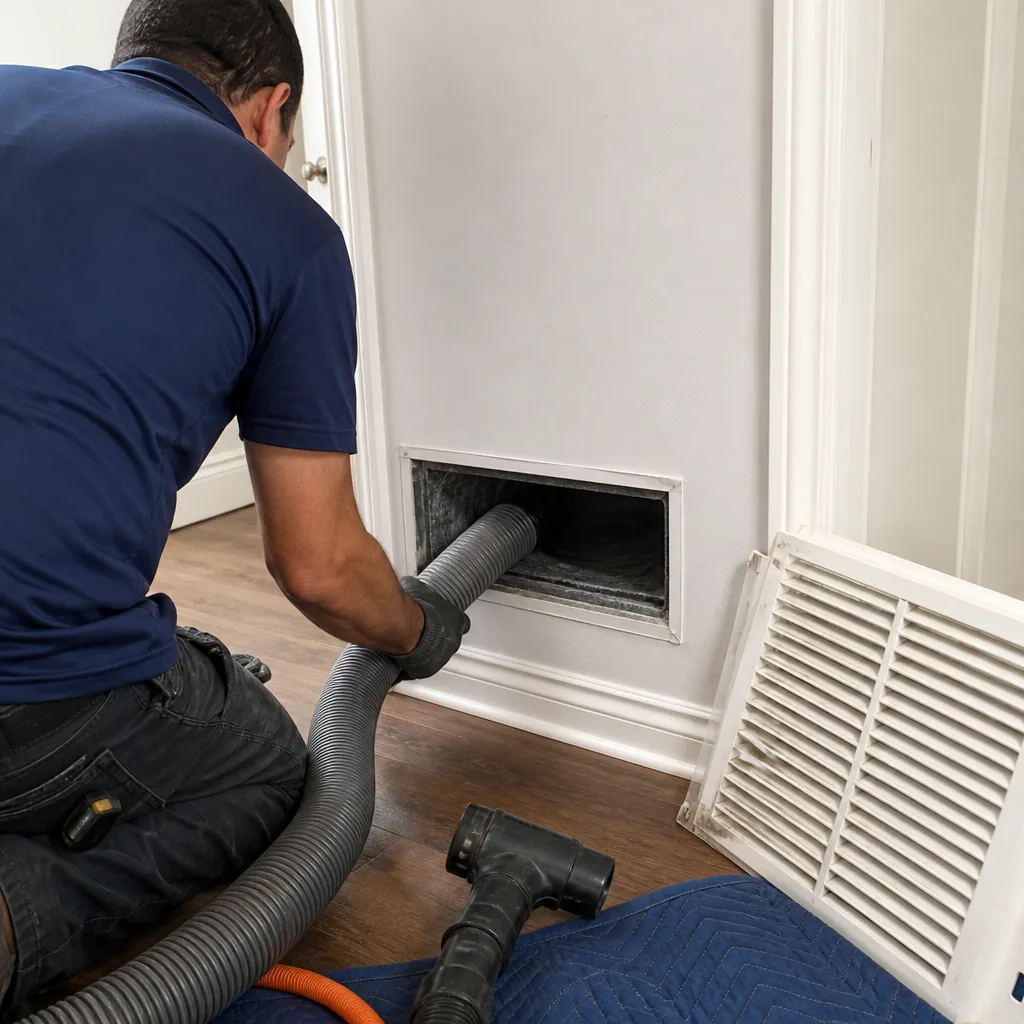 After